Hide, Lake & Trails
PROJECT
Hide, Lake & Trails
IN COLLABORATION WITH
Jorge Díaz Estudio
DEVELOPER
Parque Marítimo de Santa Cruz
LOCATION
Jardín Botánico del Palmetum
Tenerife, ES
CATEGORY
#landscape #cultural
AÑO
2024
STATUS
Built
FOTOGRAPHY
Flavio Dorta
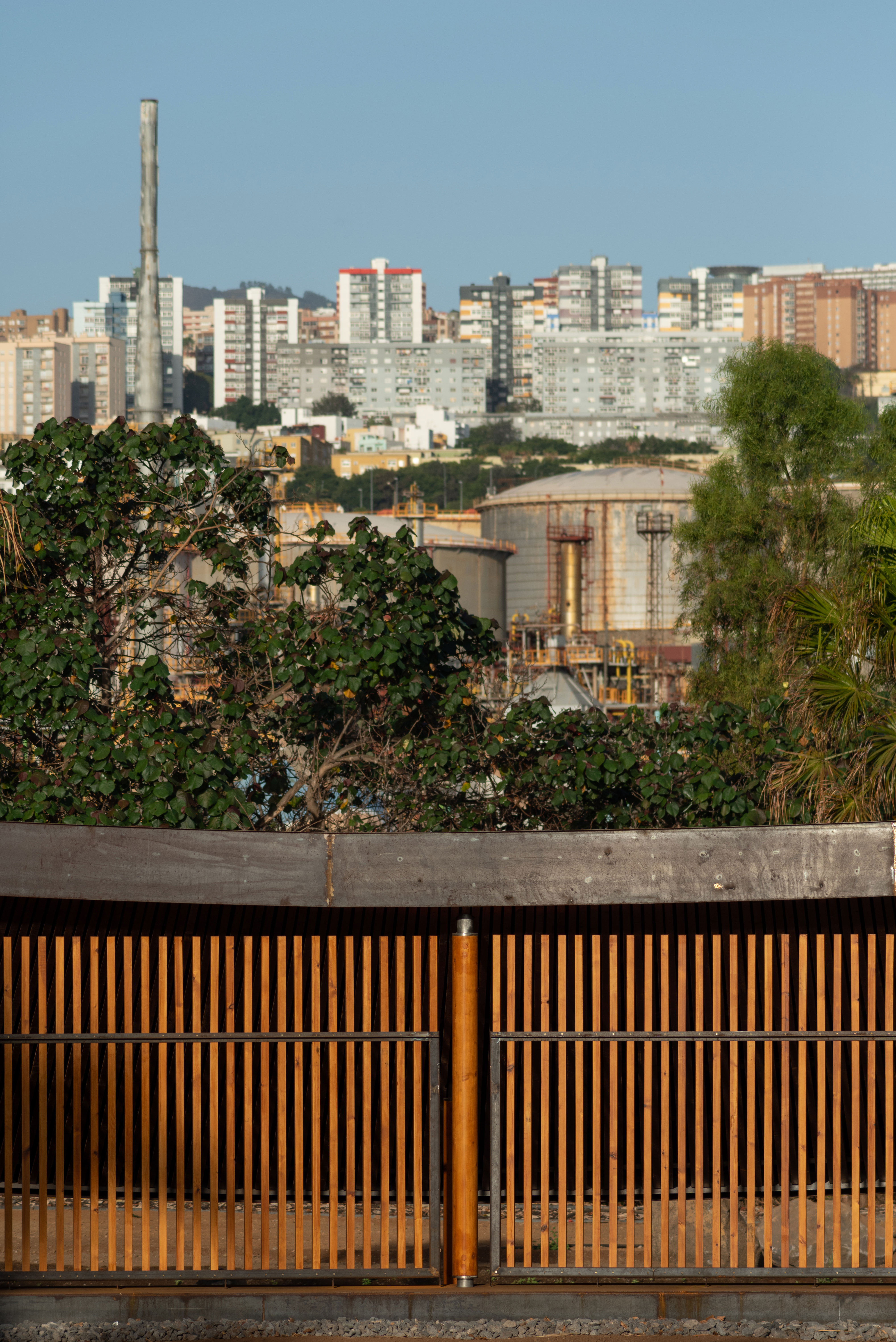
The Palmetum of Santa Cruz, opened to the public in 2014, occupies an artificial mountain that was created as a landfill and accumulated waste over decades. Closed in 1982, since the late 1990s efforts have been made to transform this marginal urban space into a natural paradise, and today it is a global reference as a specialized botanical garden and one of the largest collections of tropical island palms in the world.
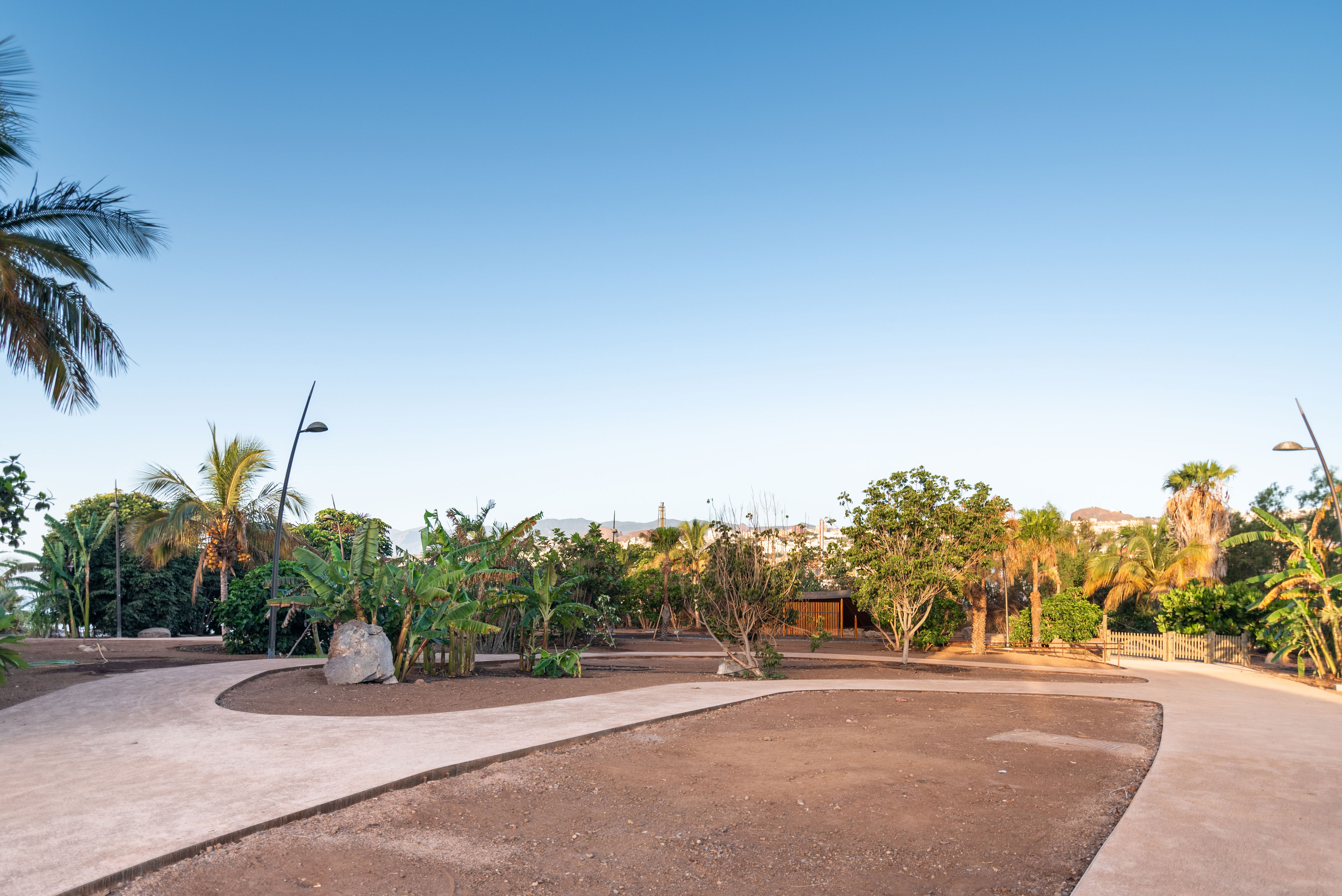
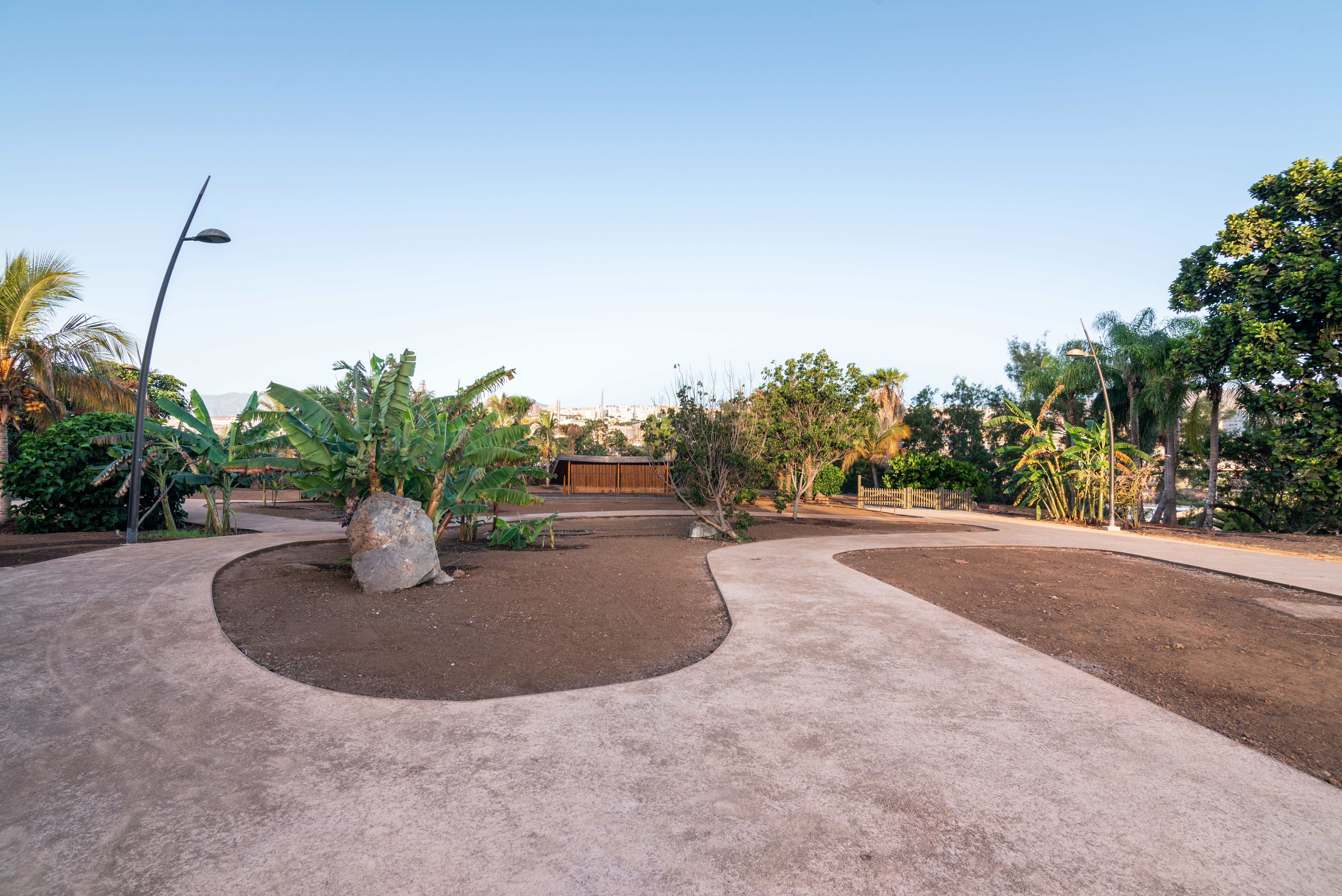
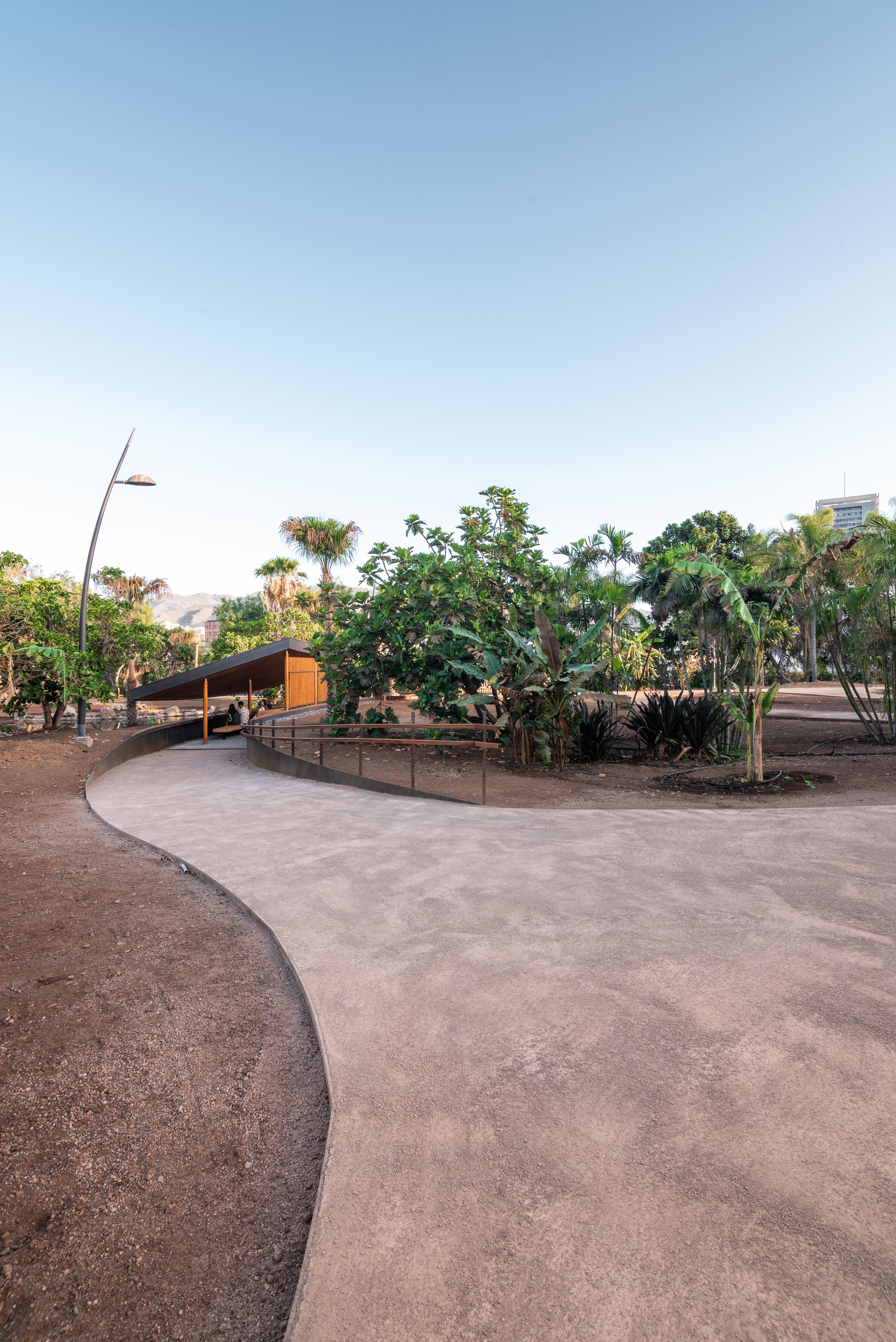
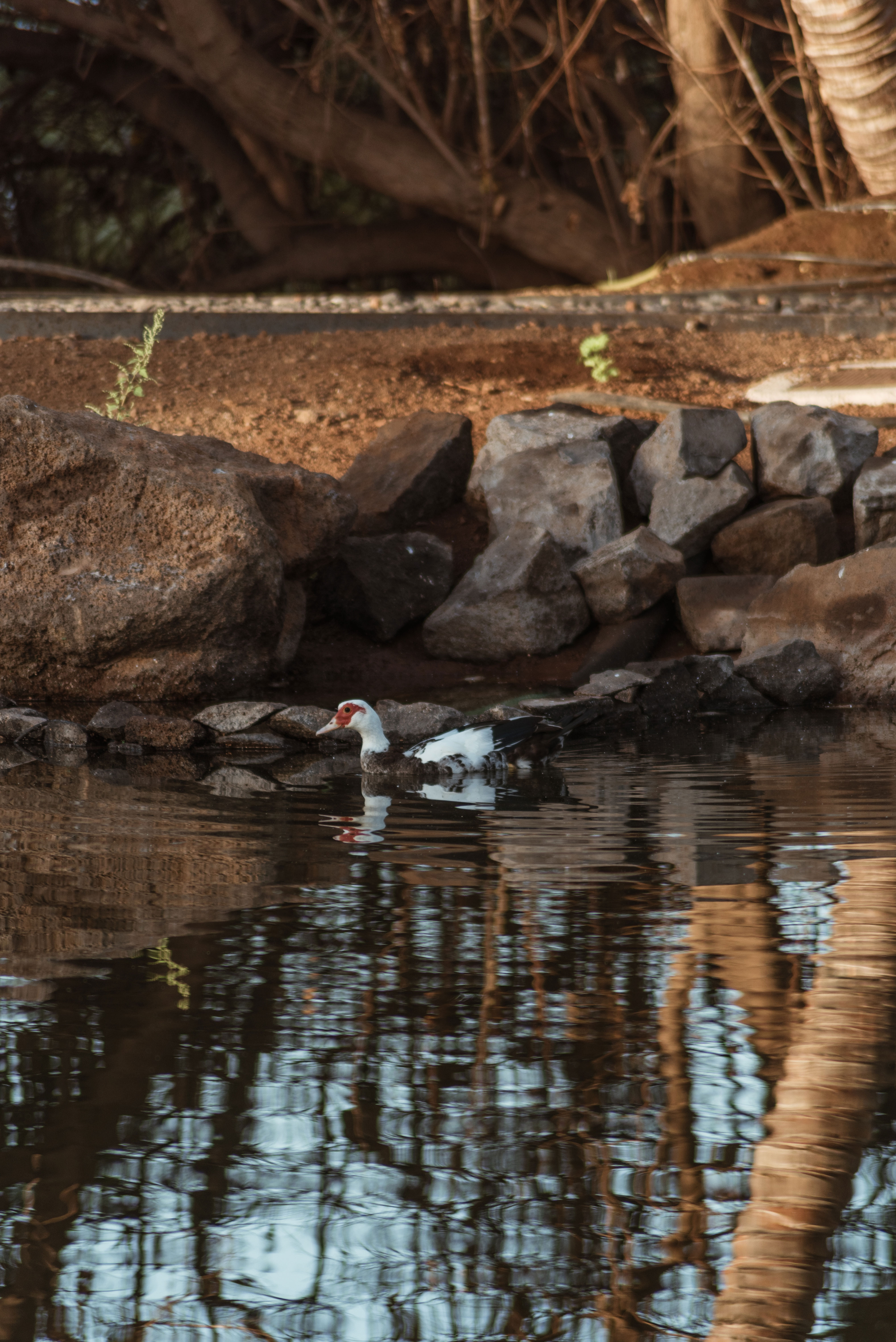
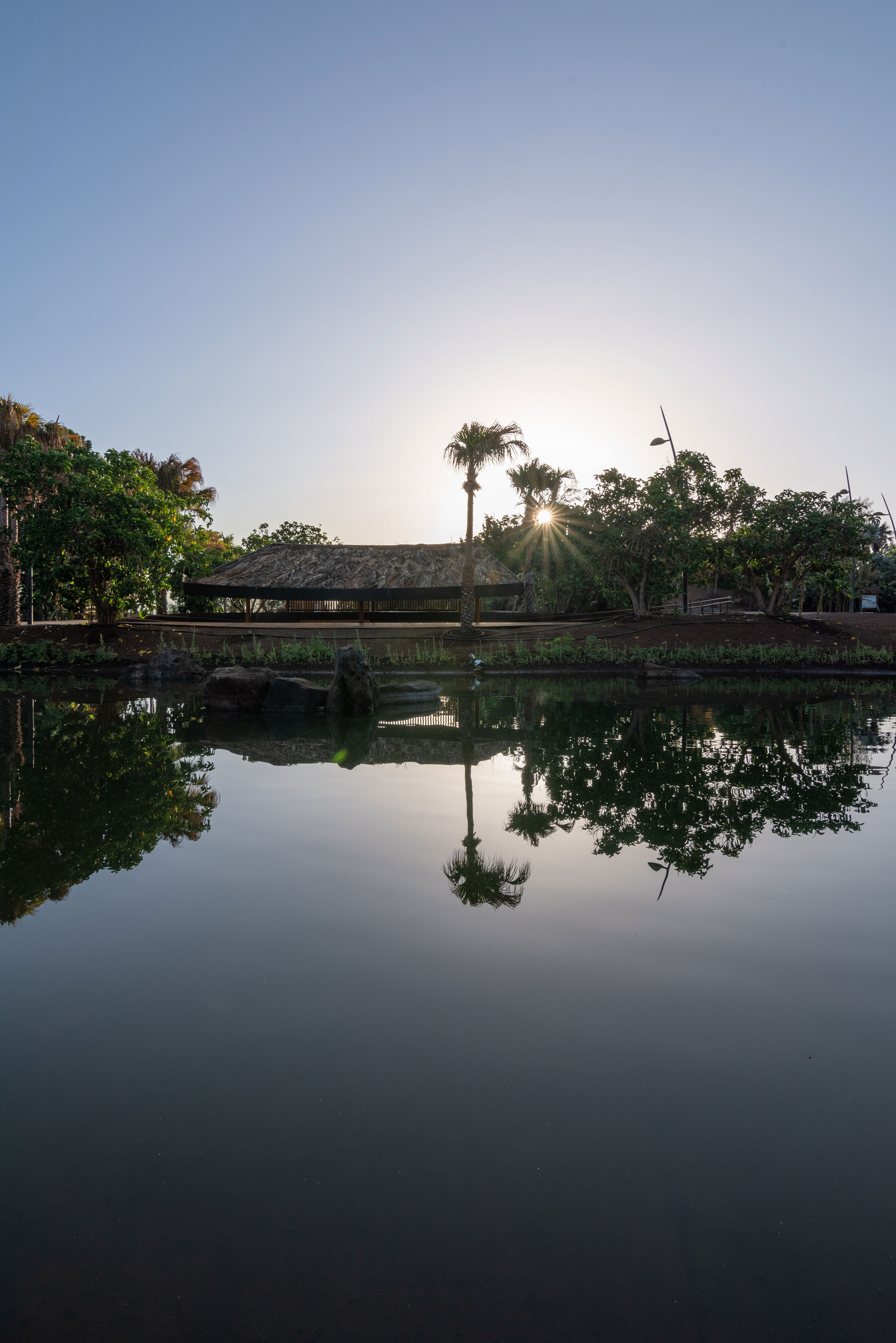
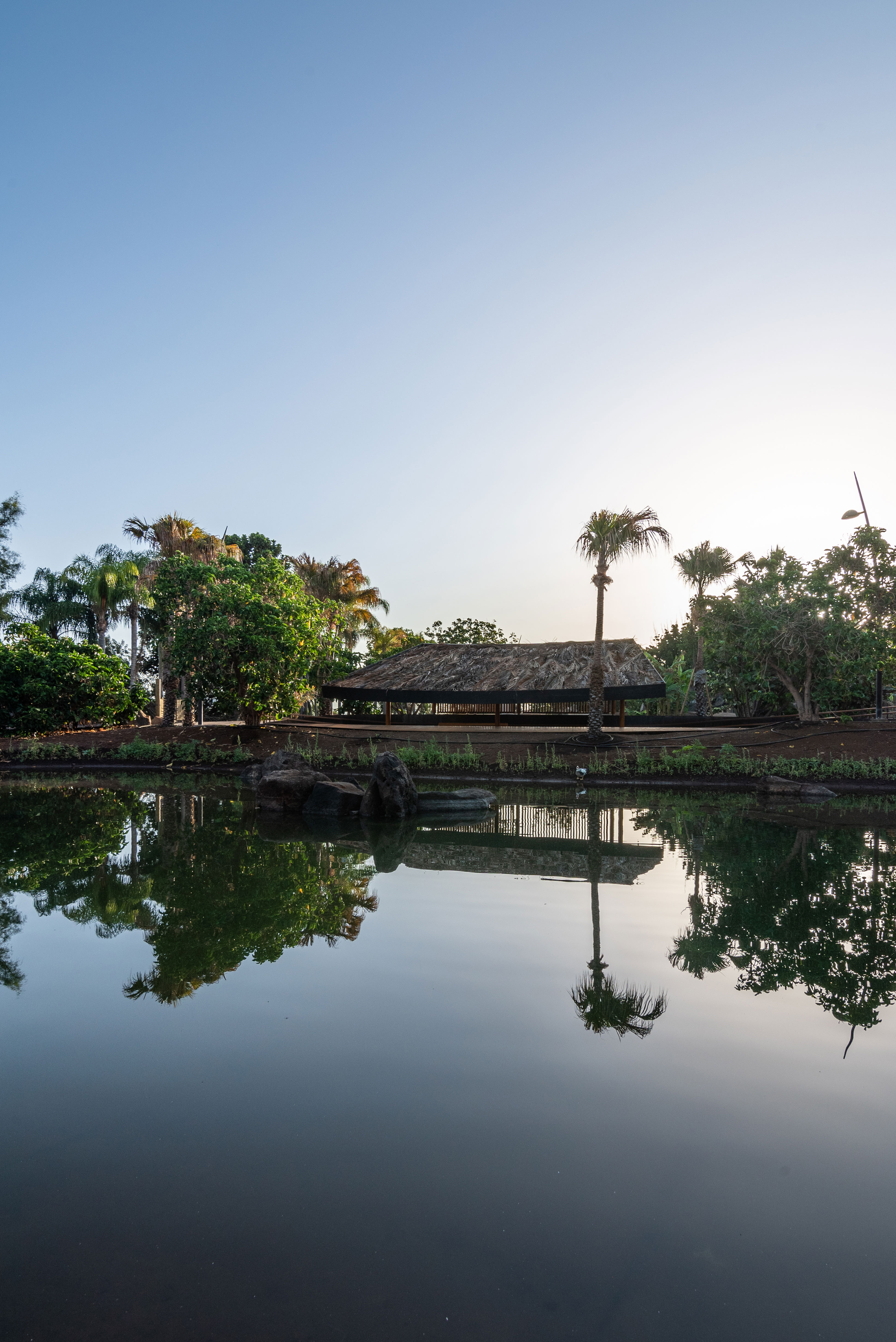
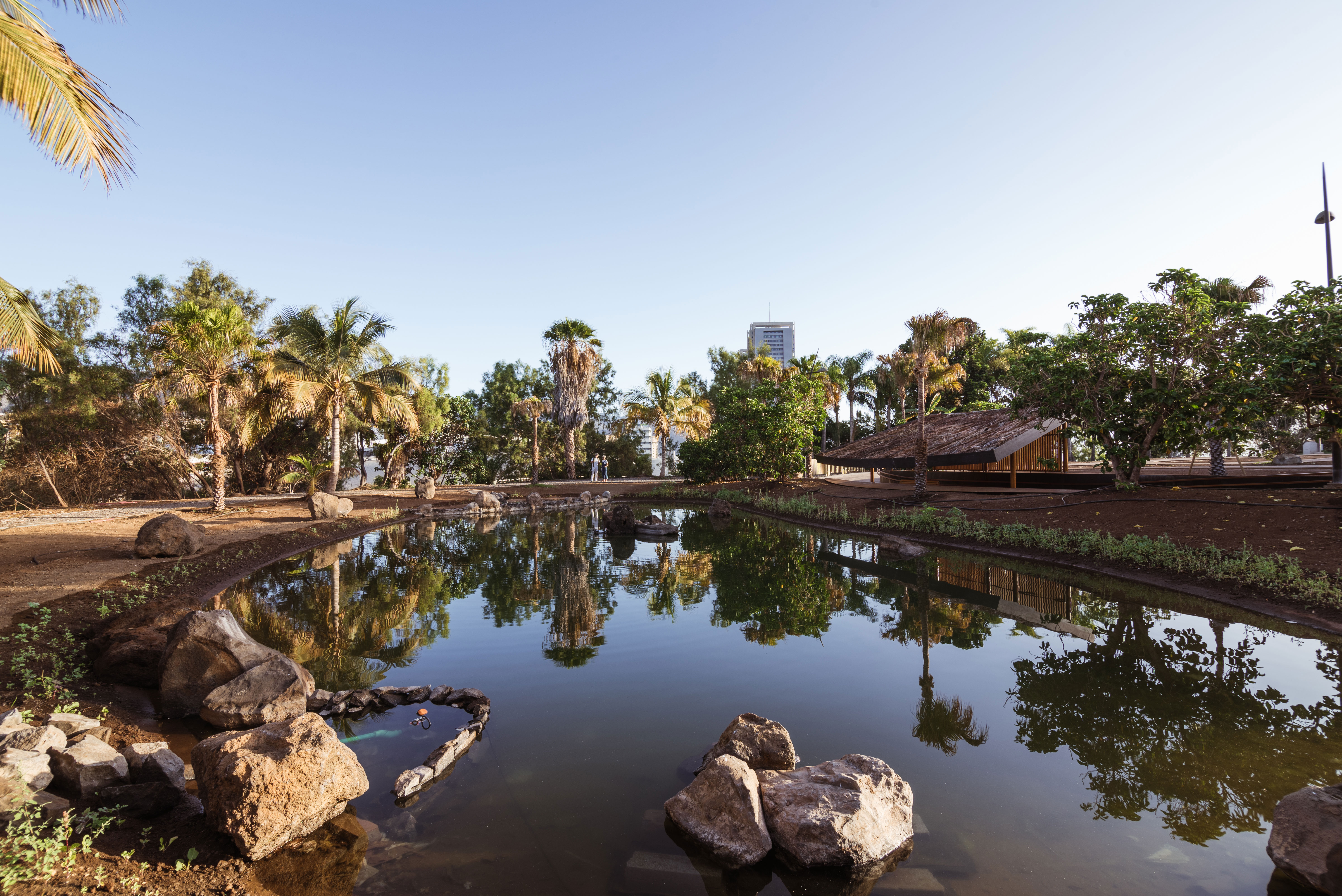
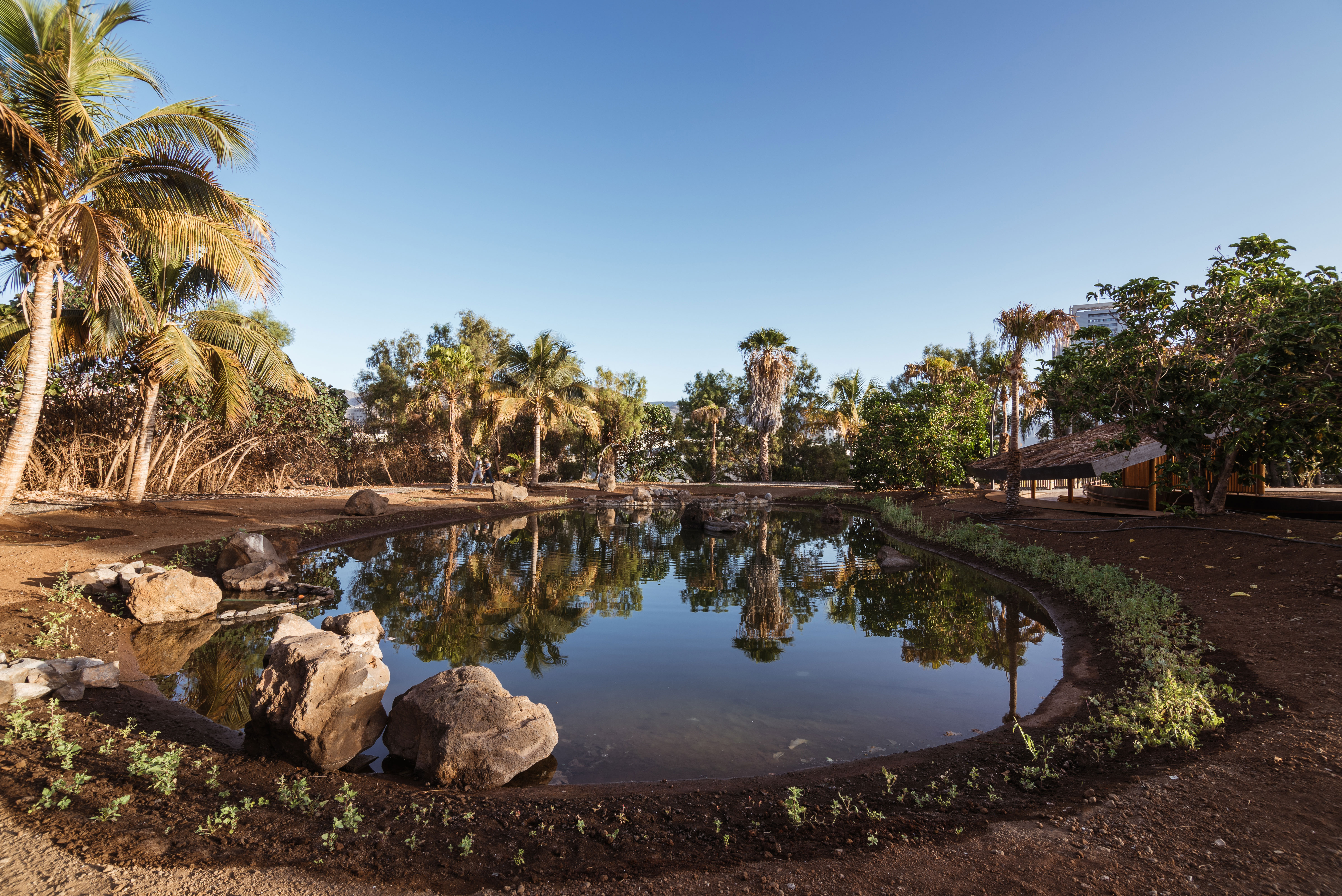
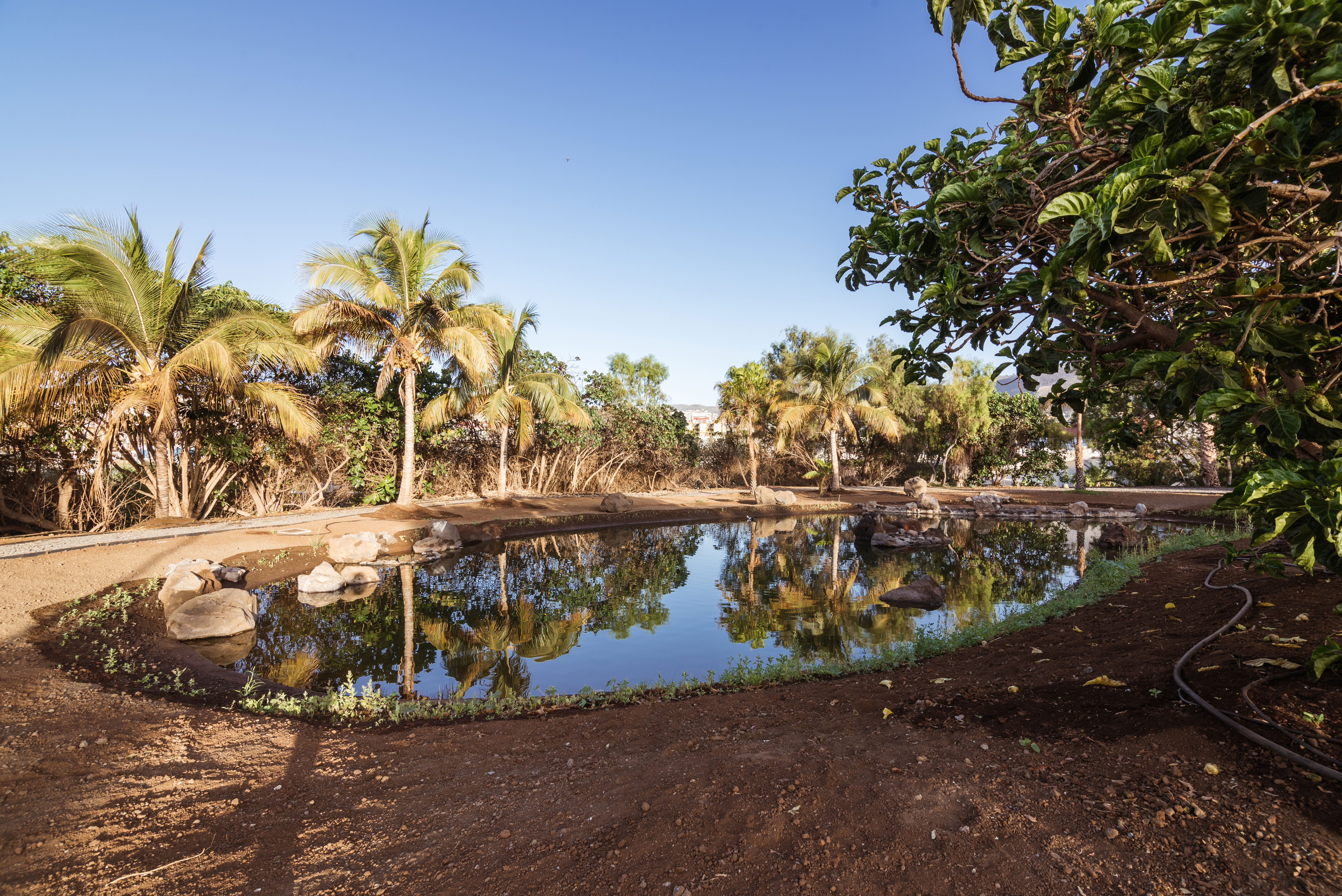
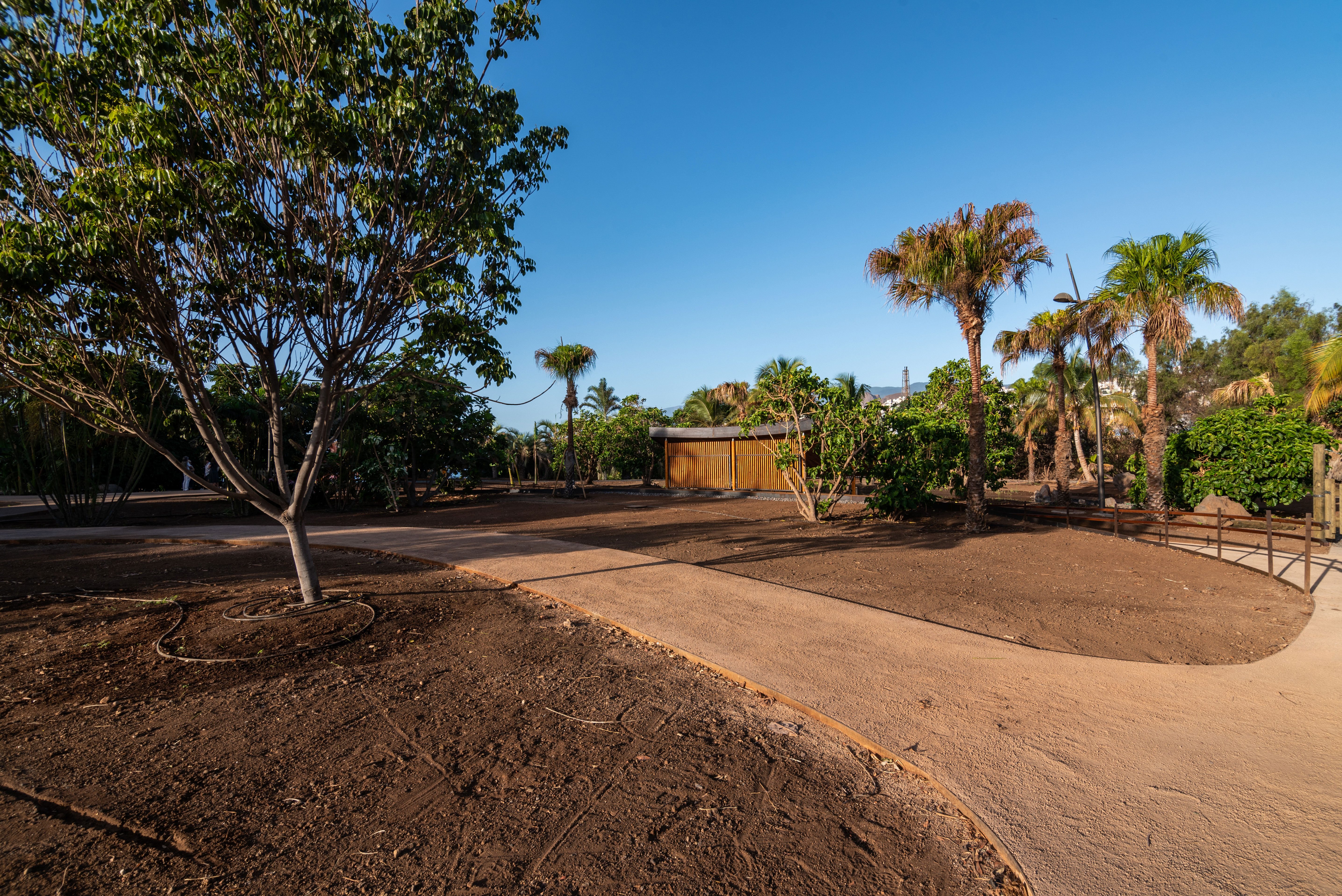
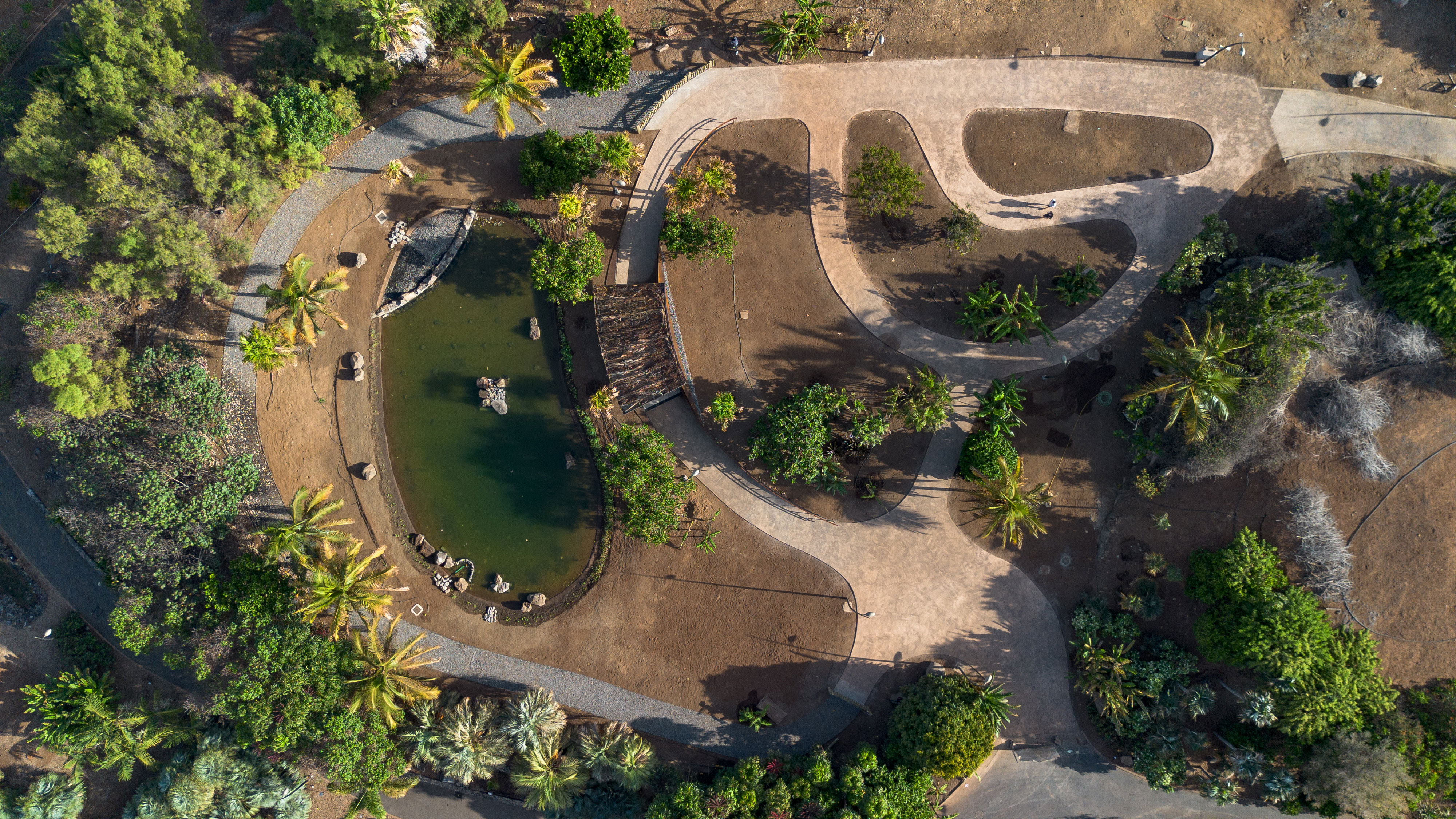
The project area, located at the top of the park, was a clearly abandoned zone featuring a deep hollow—remnants of an old lake project—alongside some deteriorated pathways. The park management expressed the desire to regenerate this area by attracting birds and creating new trails, which would enhance the park’s offerings and facilitate maintenance.
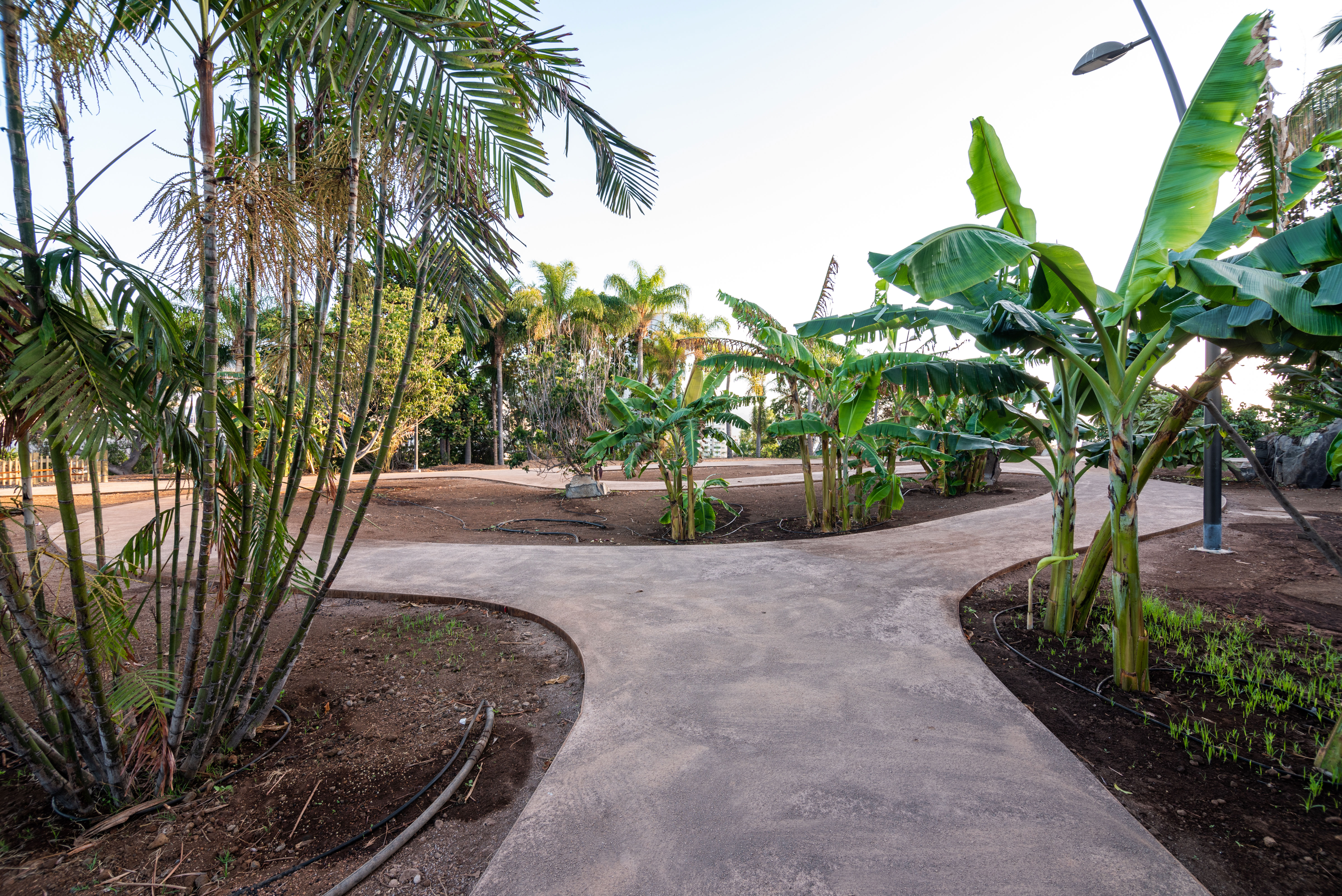
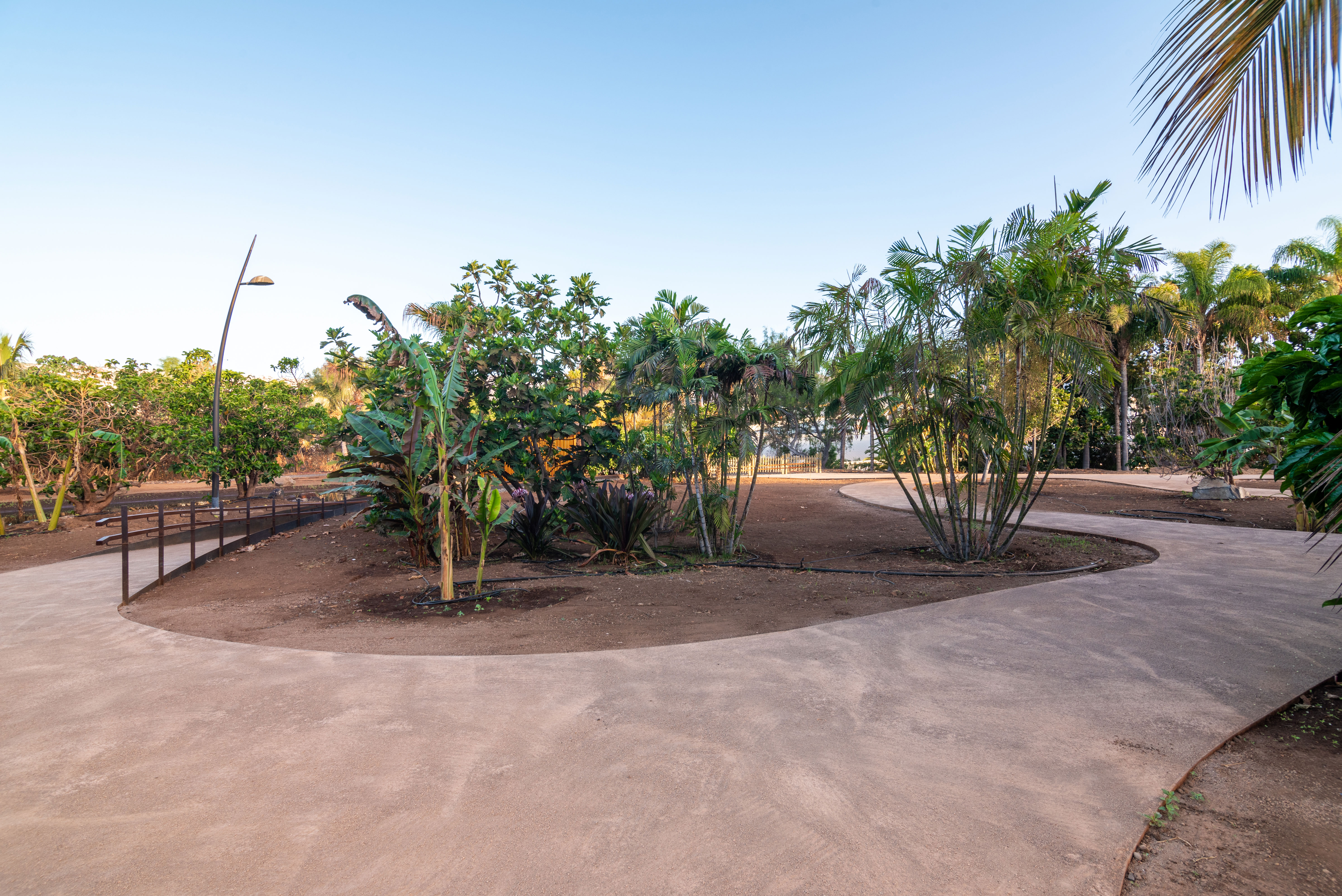
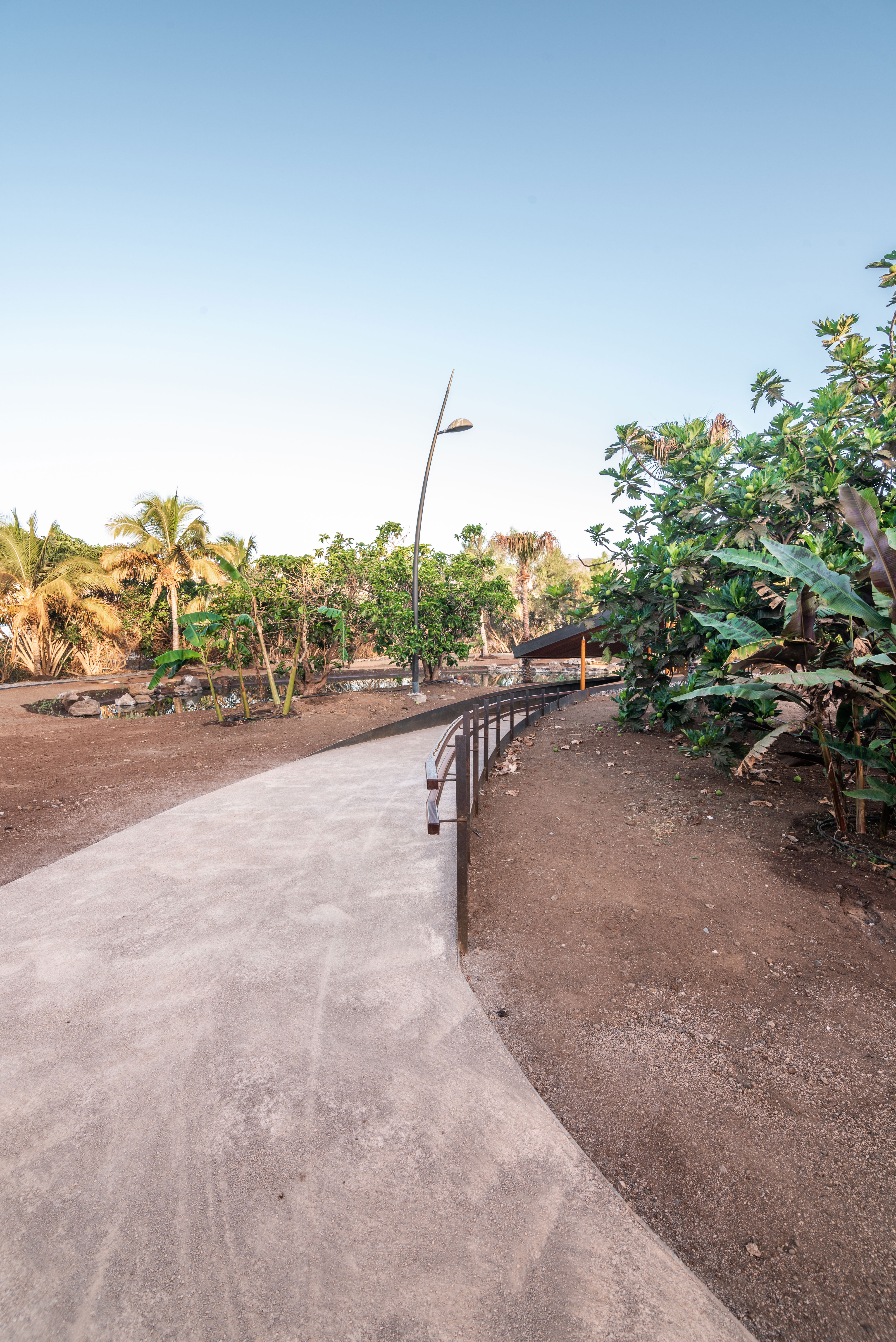
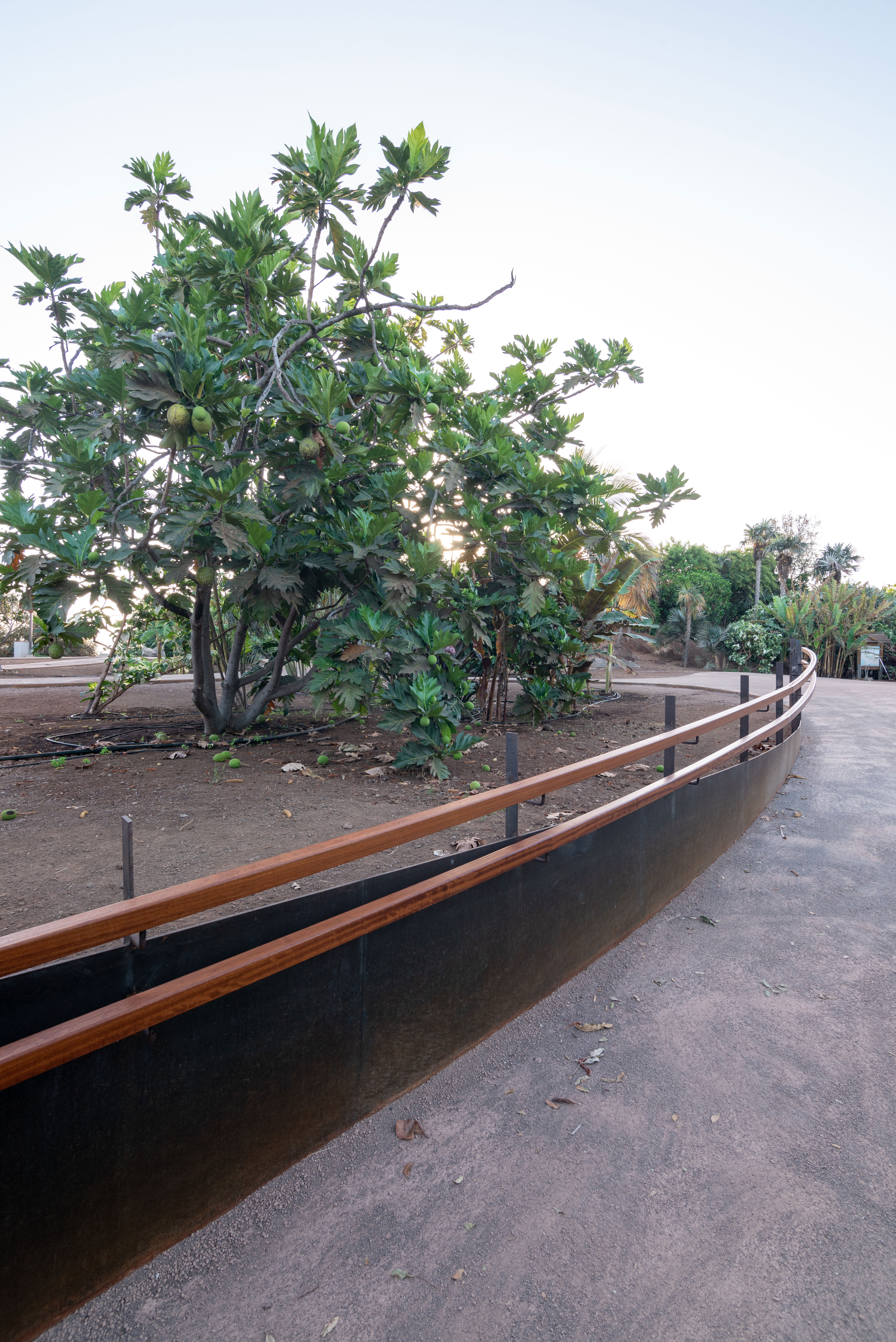
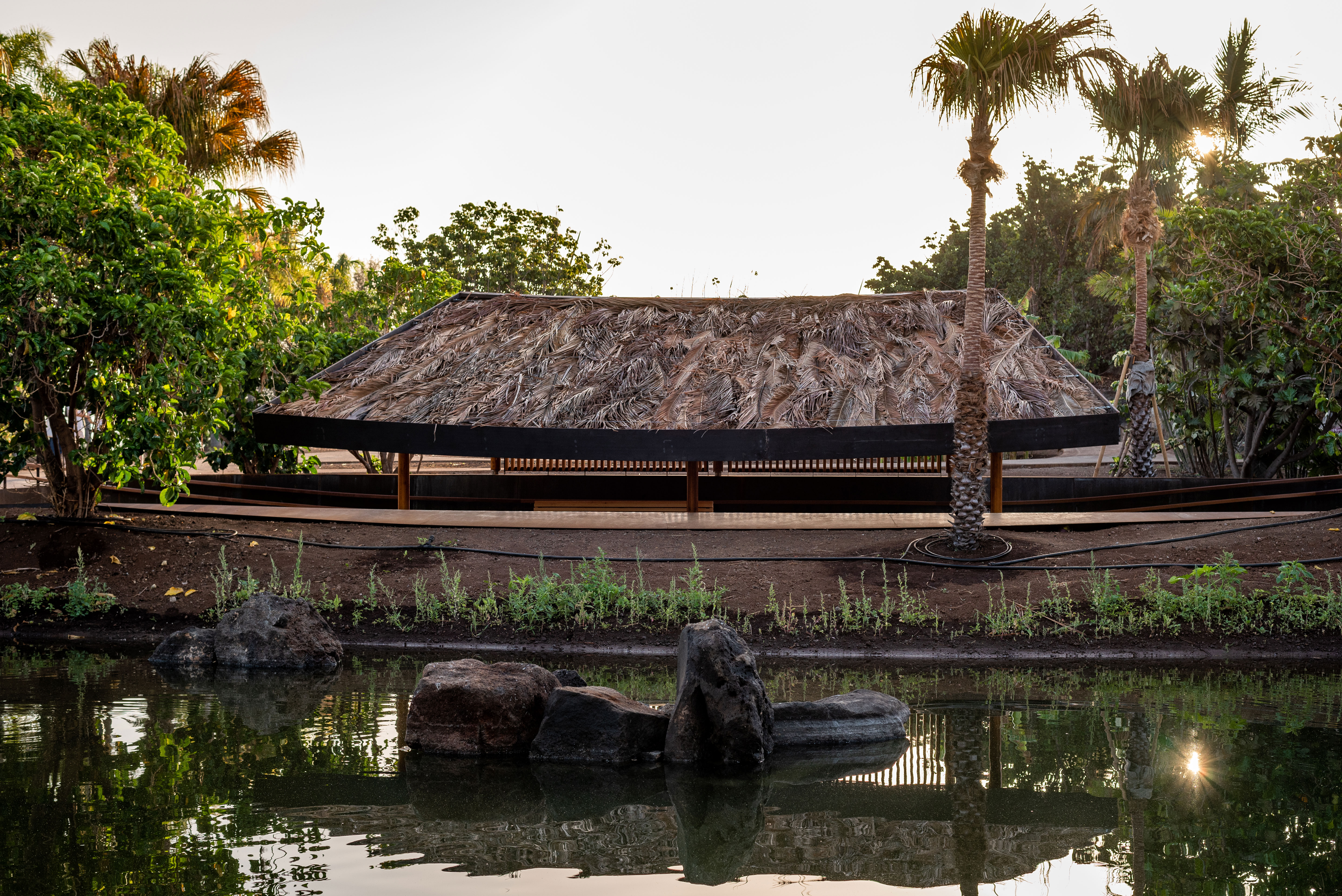
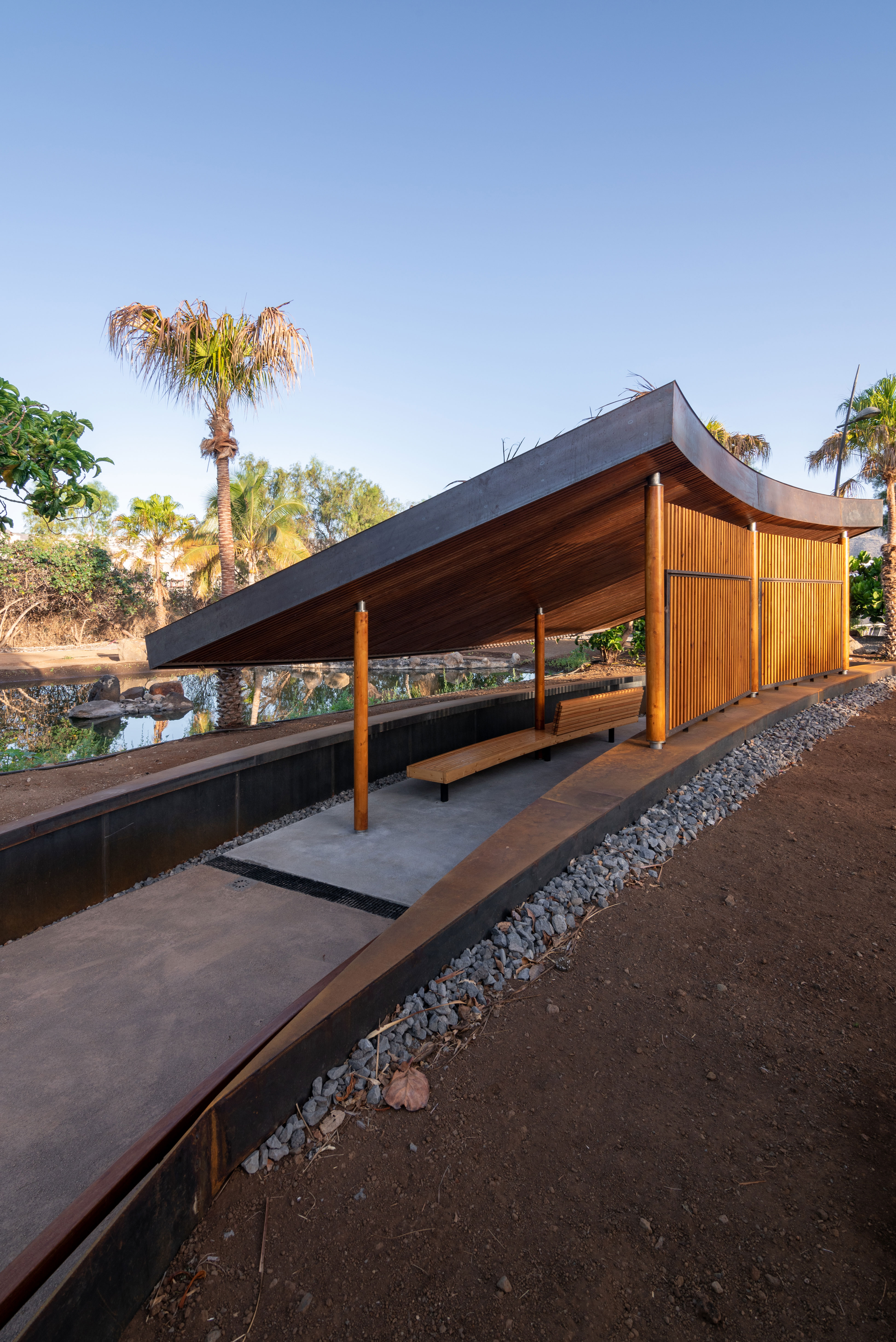
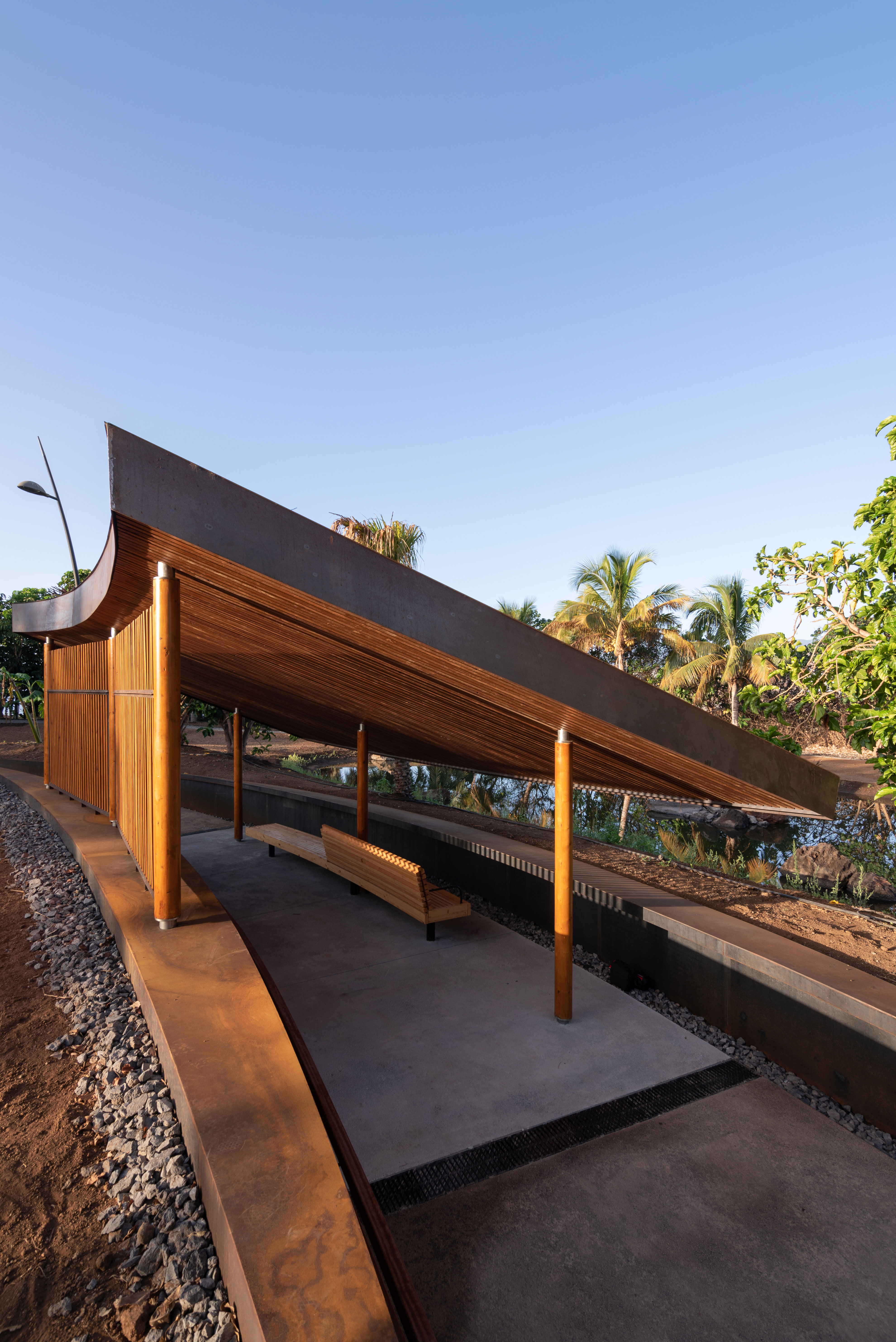
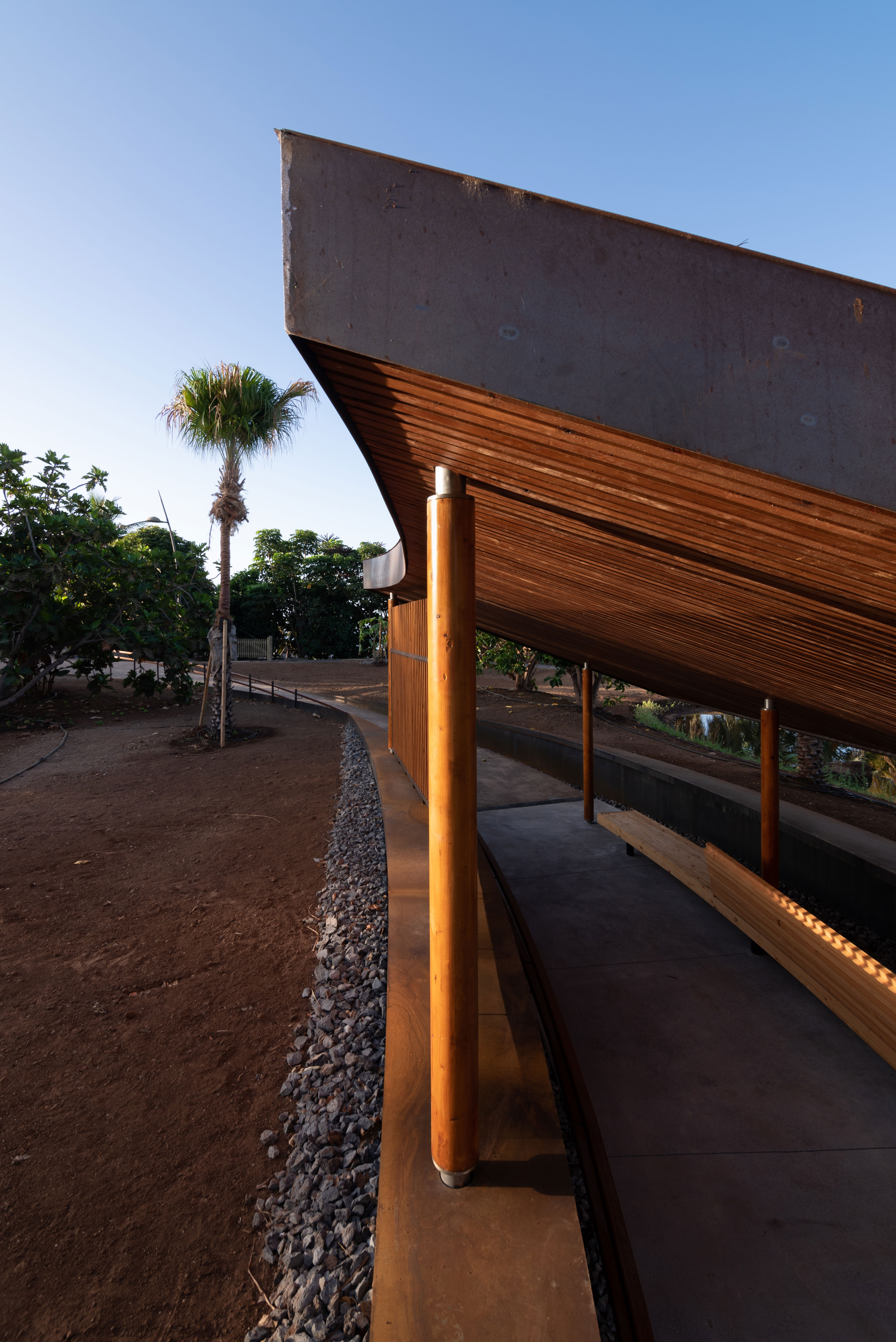
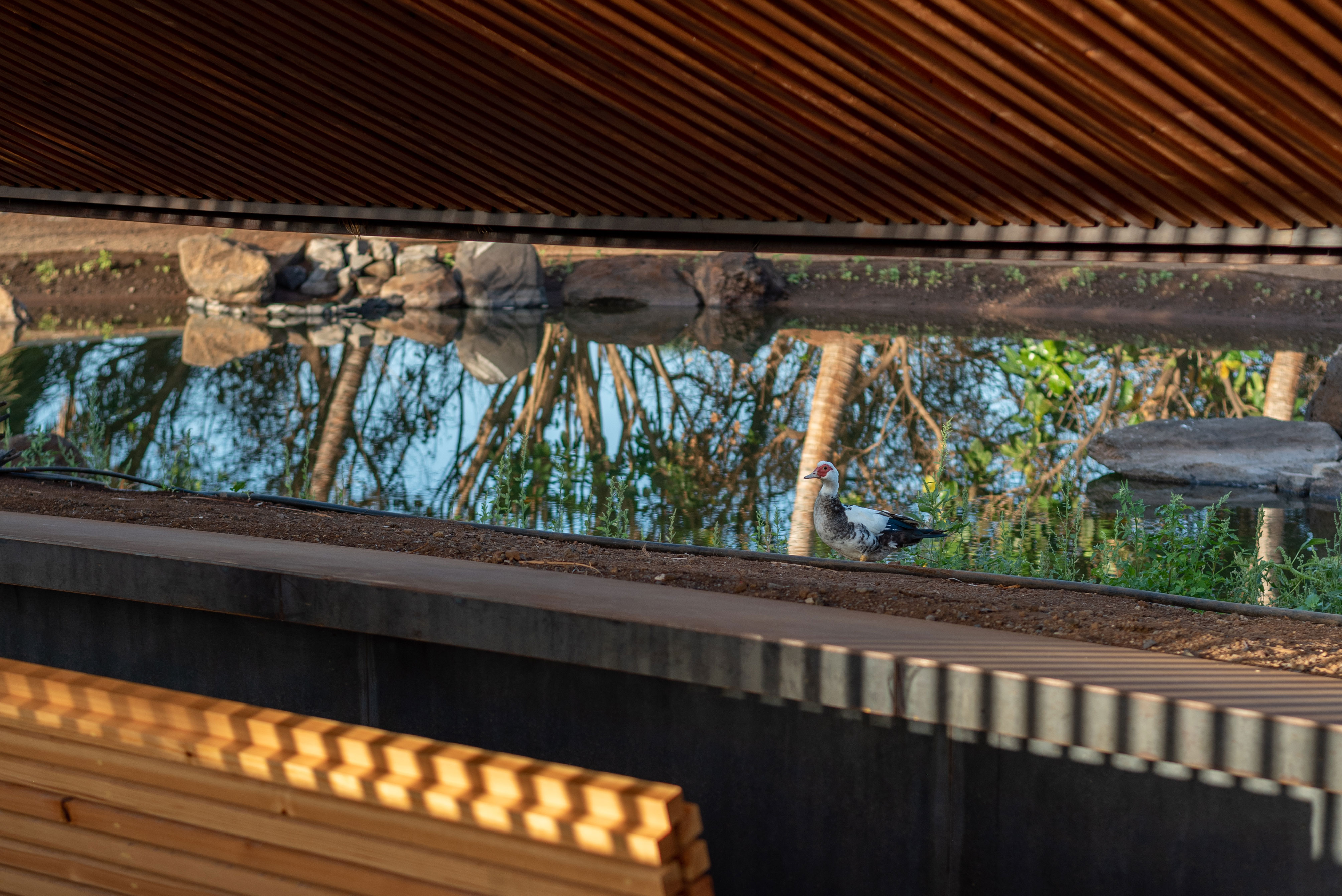
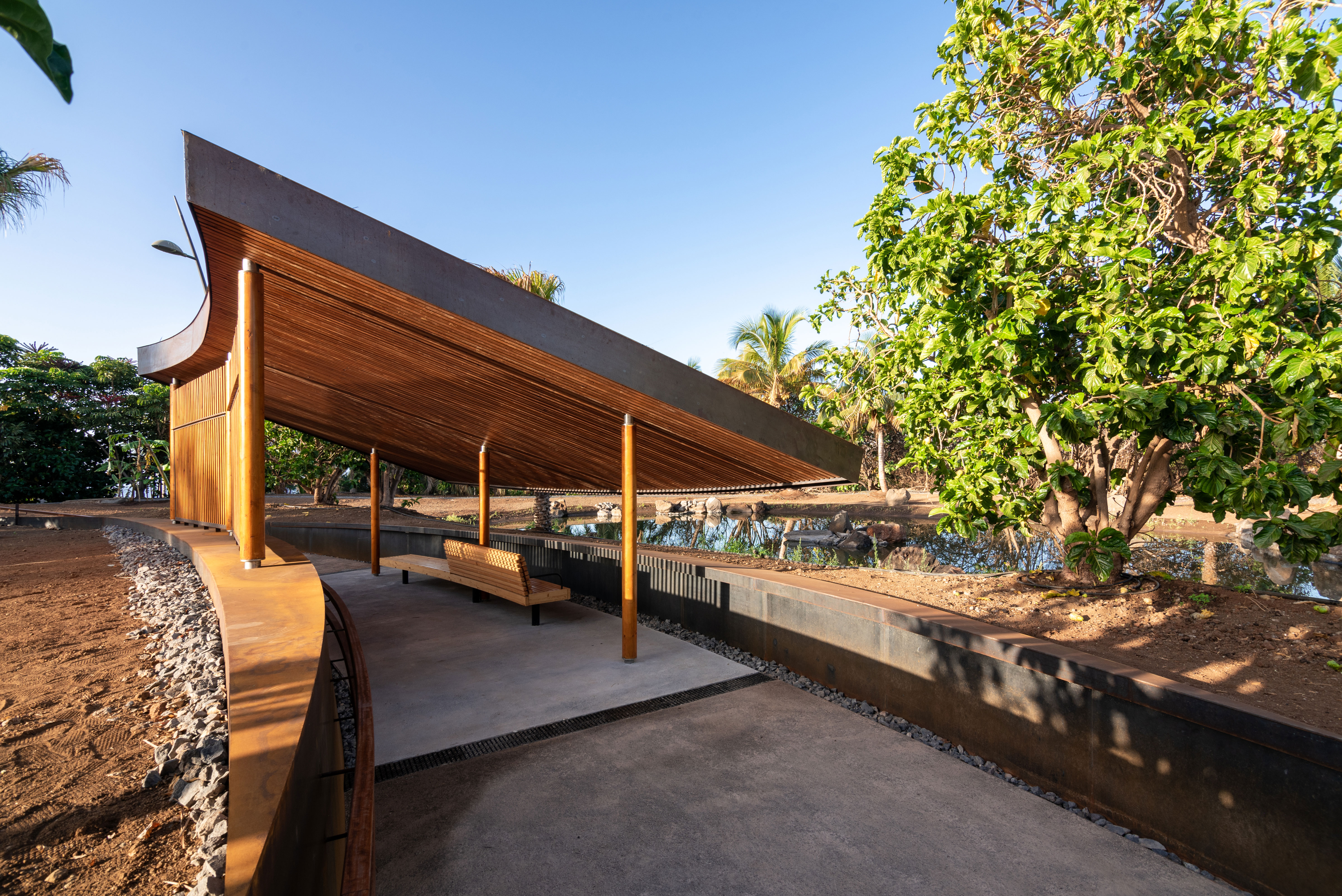
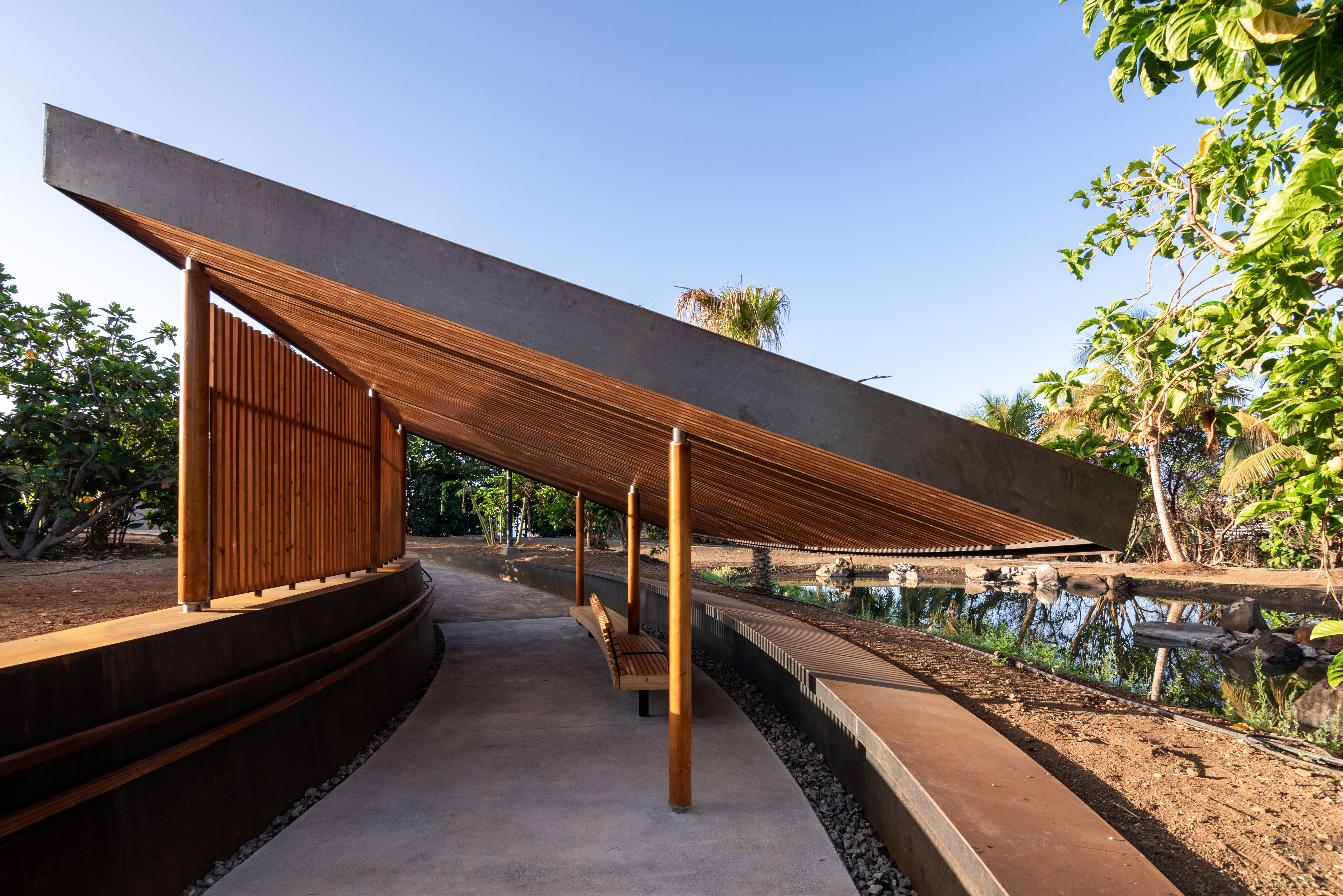
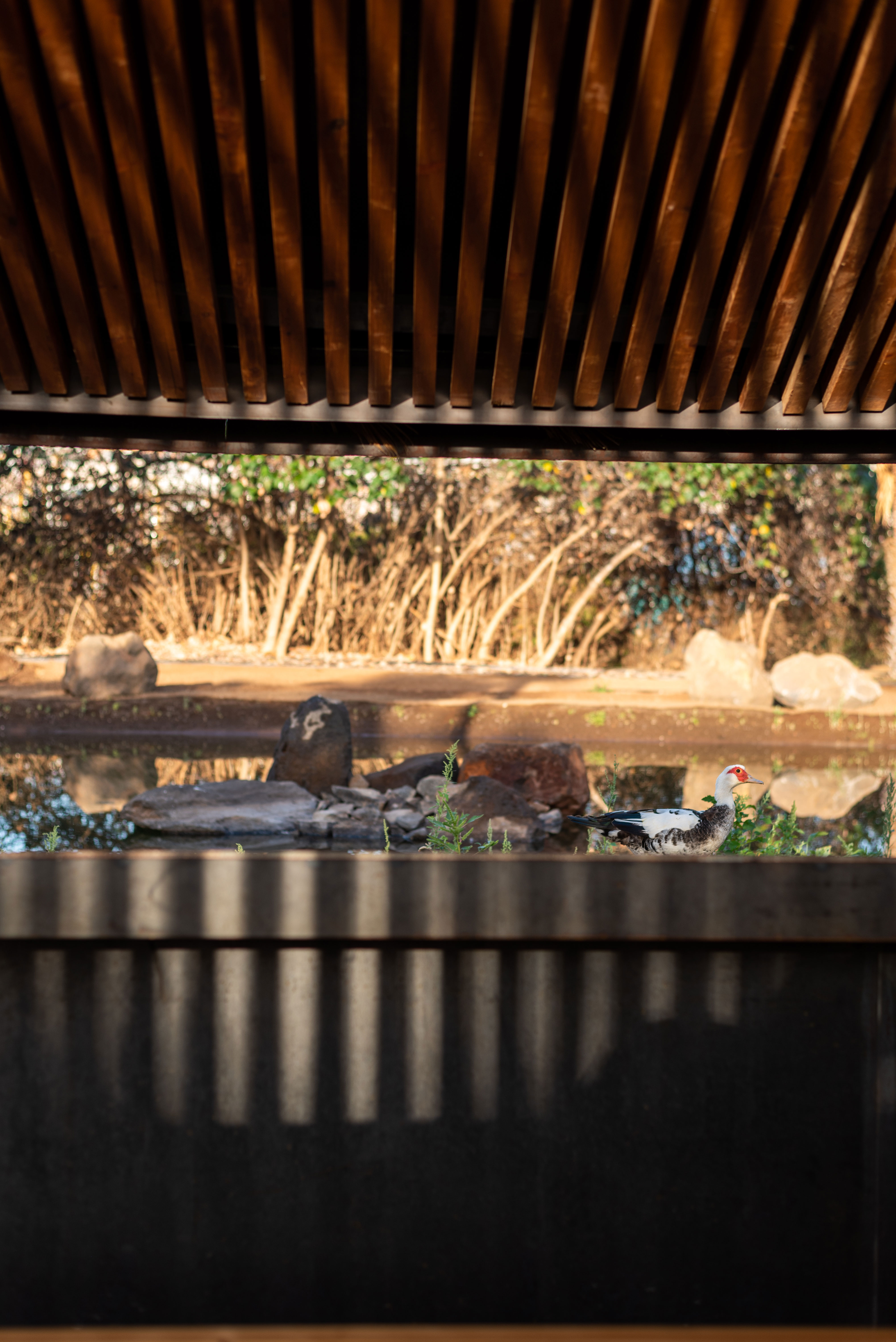
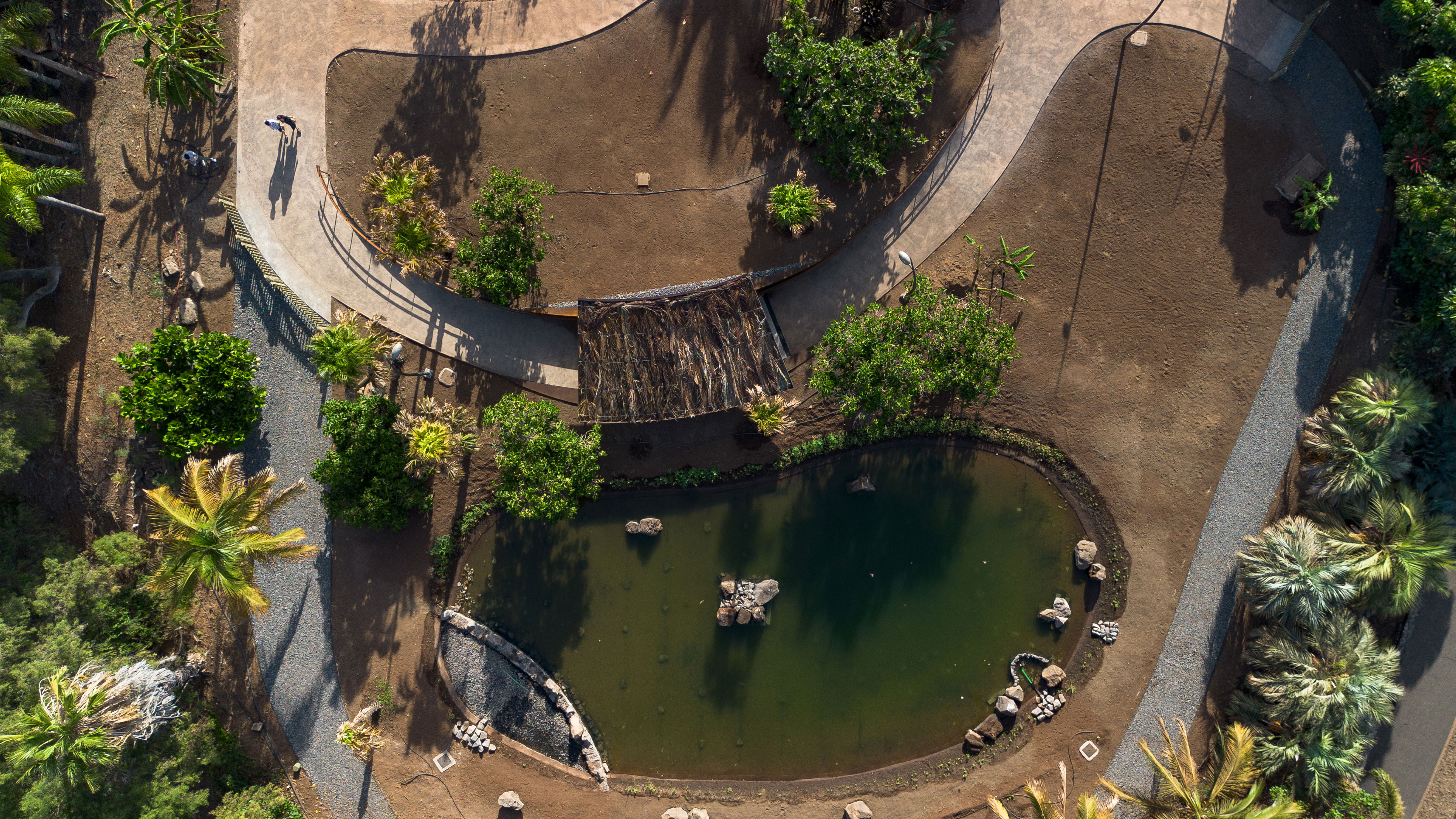
Therefore, we approached the project with the premise of utilizing existing traces, minimizing interventions that were not essential. We worked with the existing footprint, reducing it where possible, while the specifics of the Hide determined the eye level of the observer (who should be able to observe without being seen) as well as the characteristics of the approach trail. Ultimately, we designed one of the paths as an accessible ramp that gently descended toward the lake, leading directly beneath the Hide. Additionally, we studied the surrounding vegetation to ensure that birds would not perceive the presence of visitors as they approached the observation point.
Furthermore, the new trails were designed with natural criteria, using stabilized earth material enhanced with recycled glass aggregate, which improved drainage capacity and reduced surface temperature.
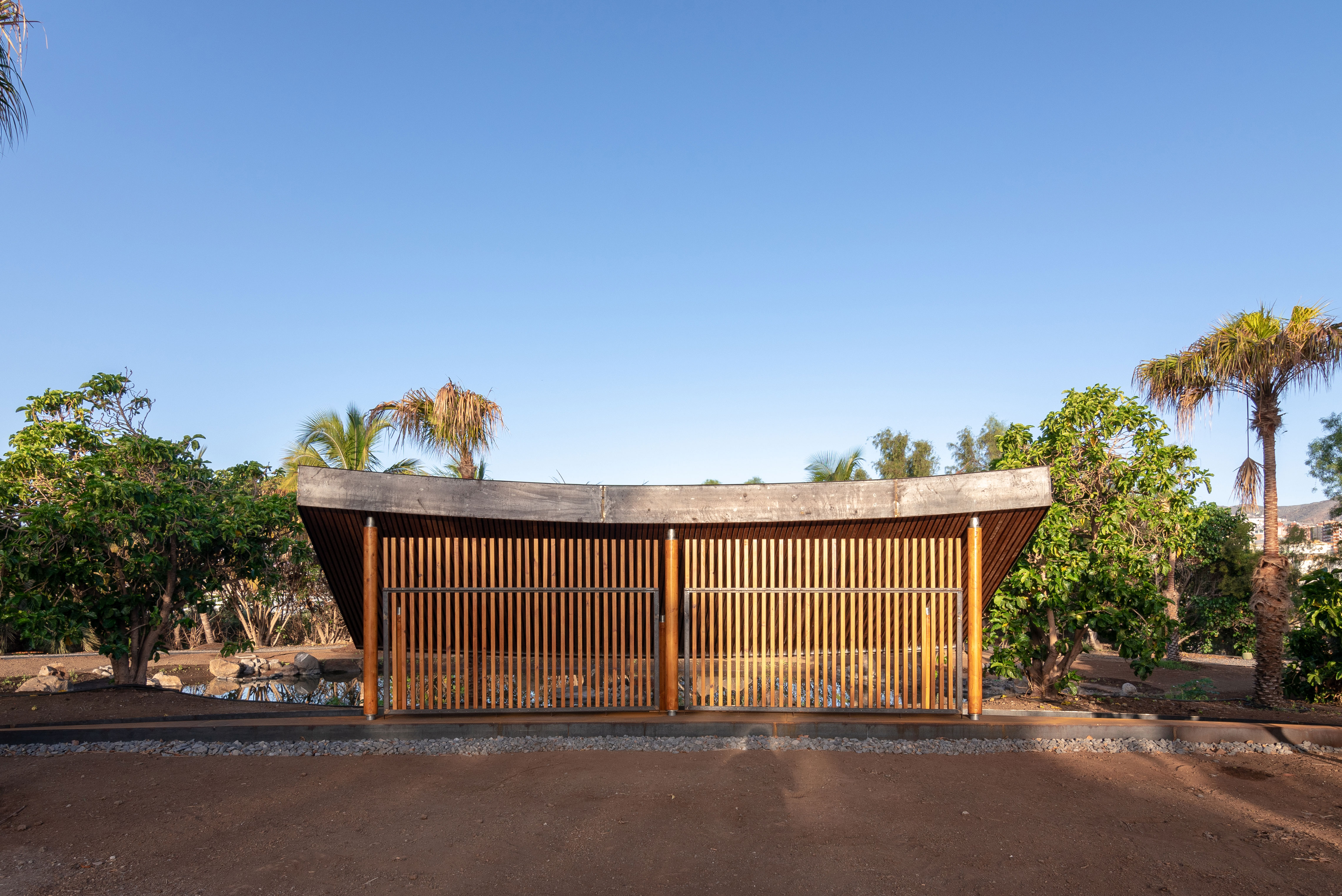
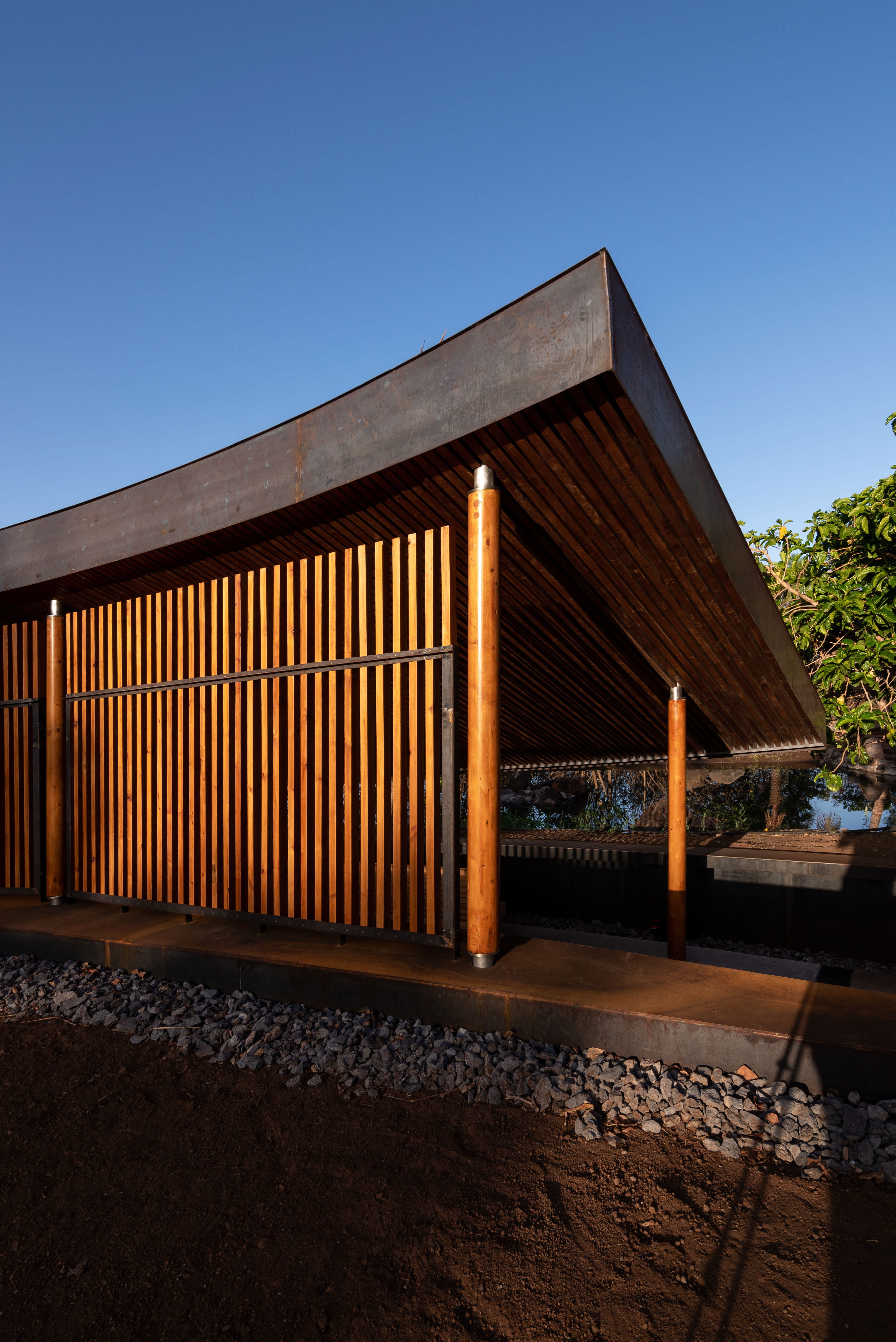
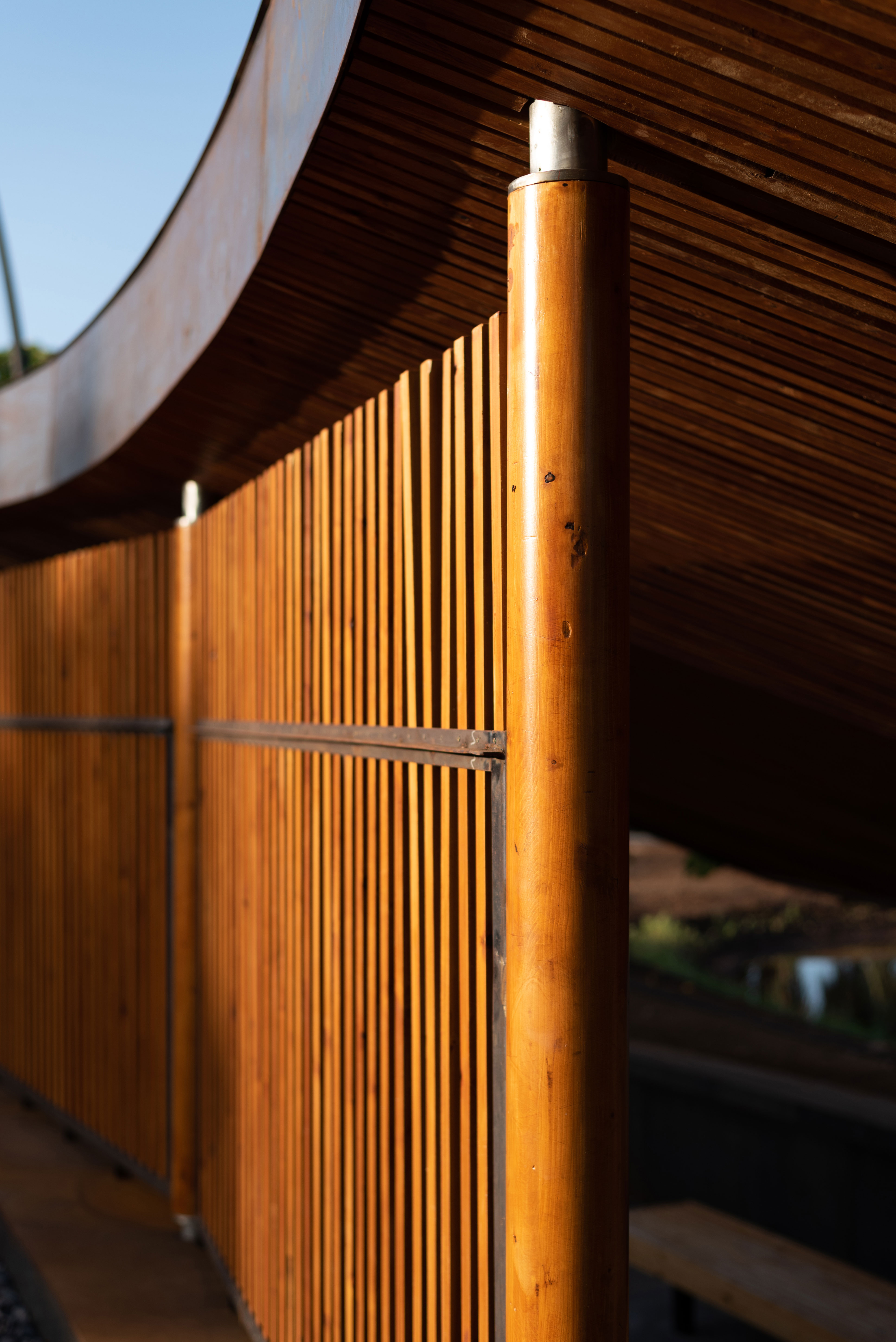
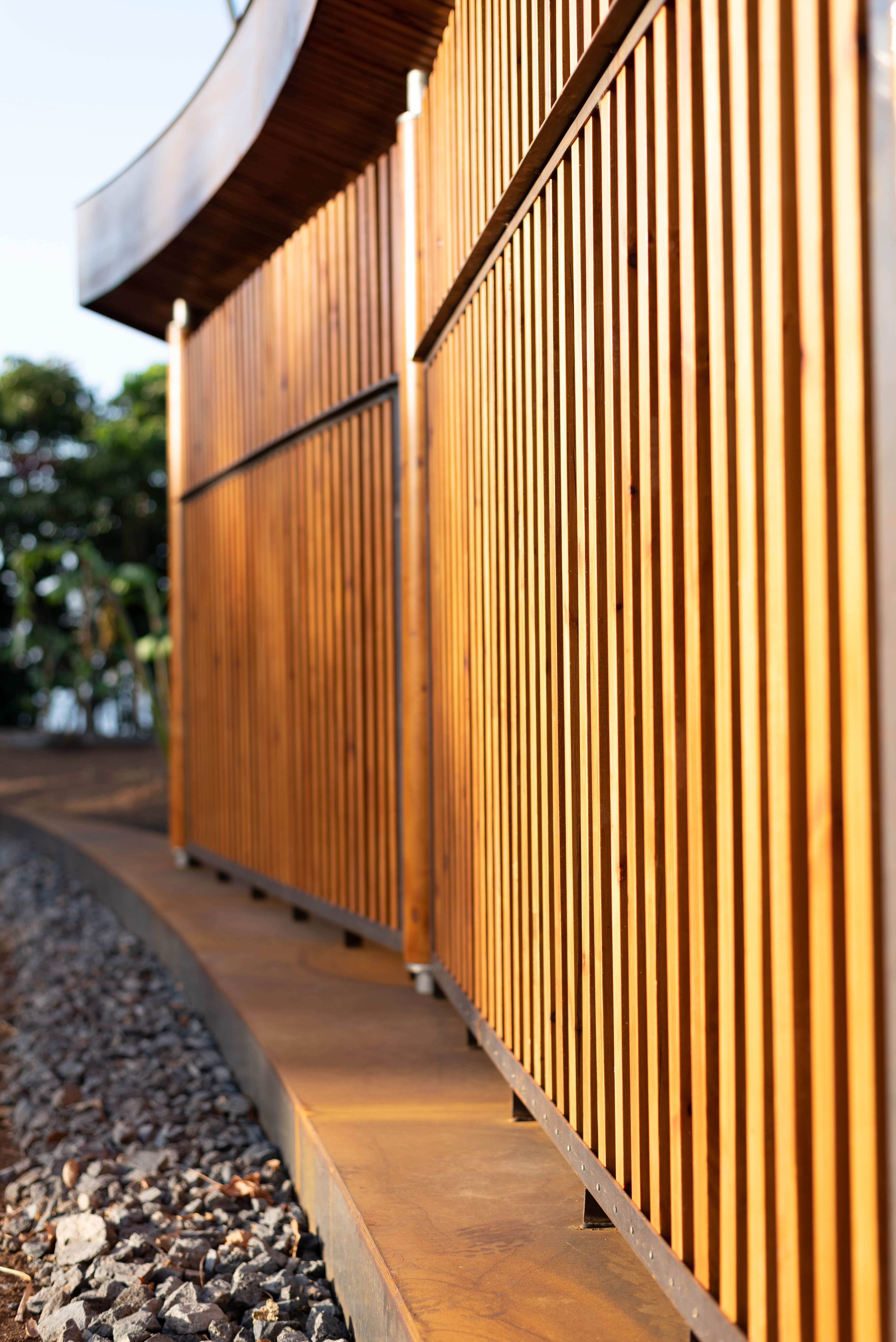
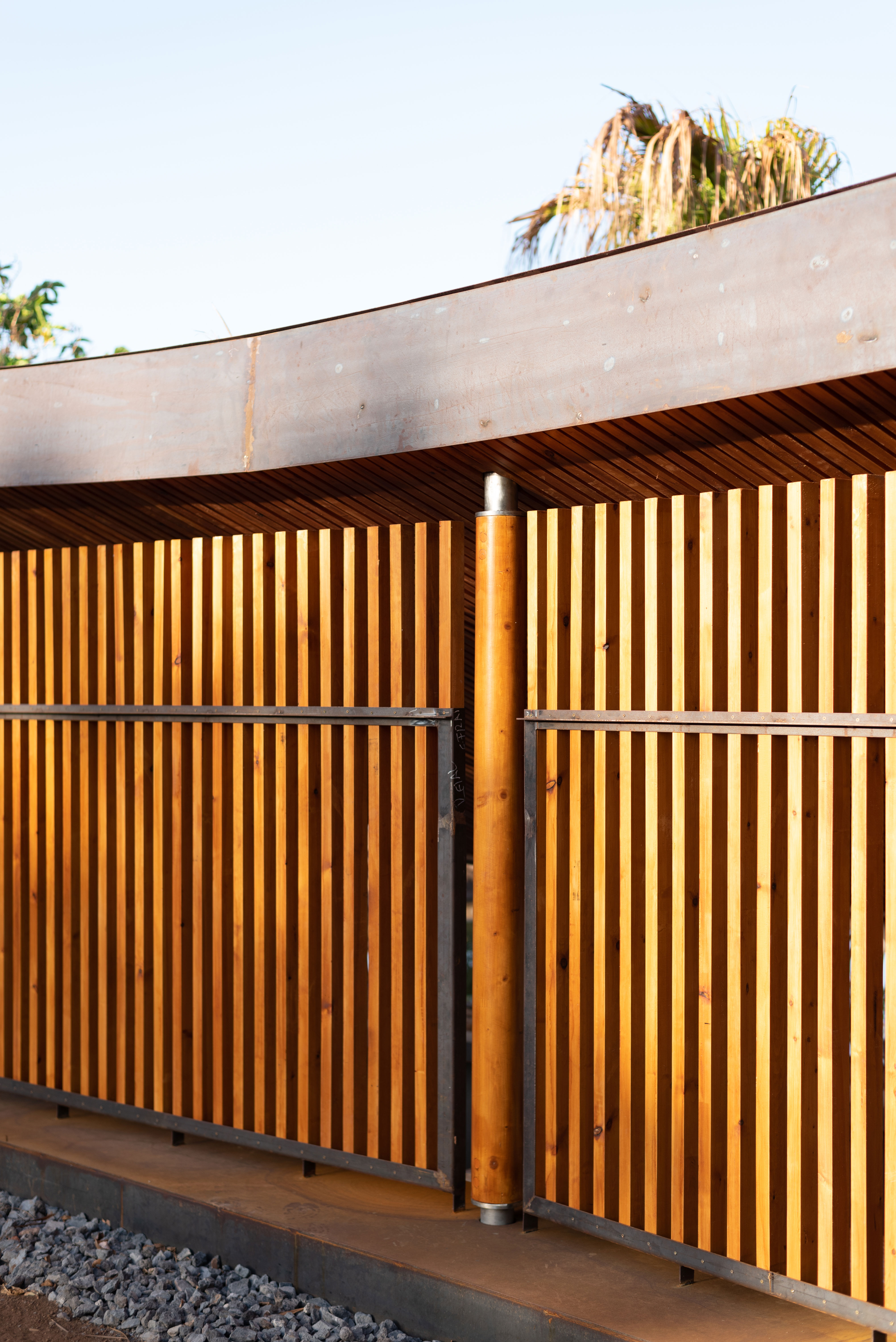
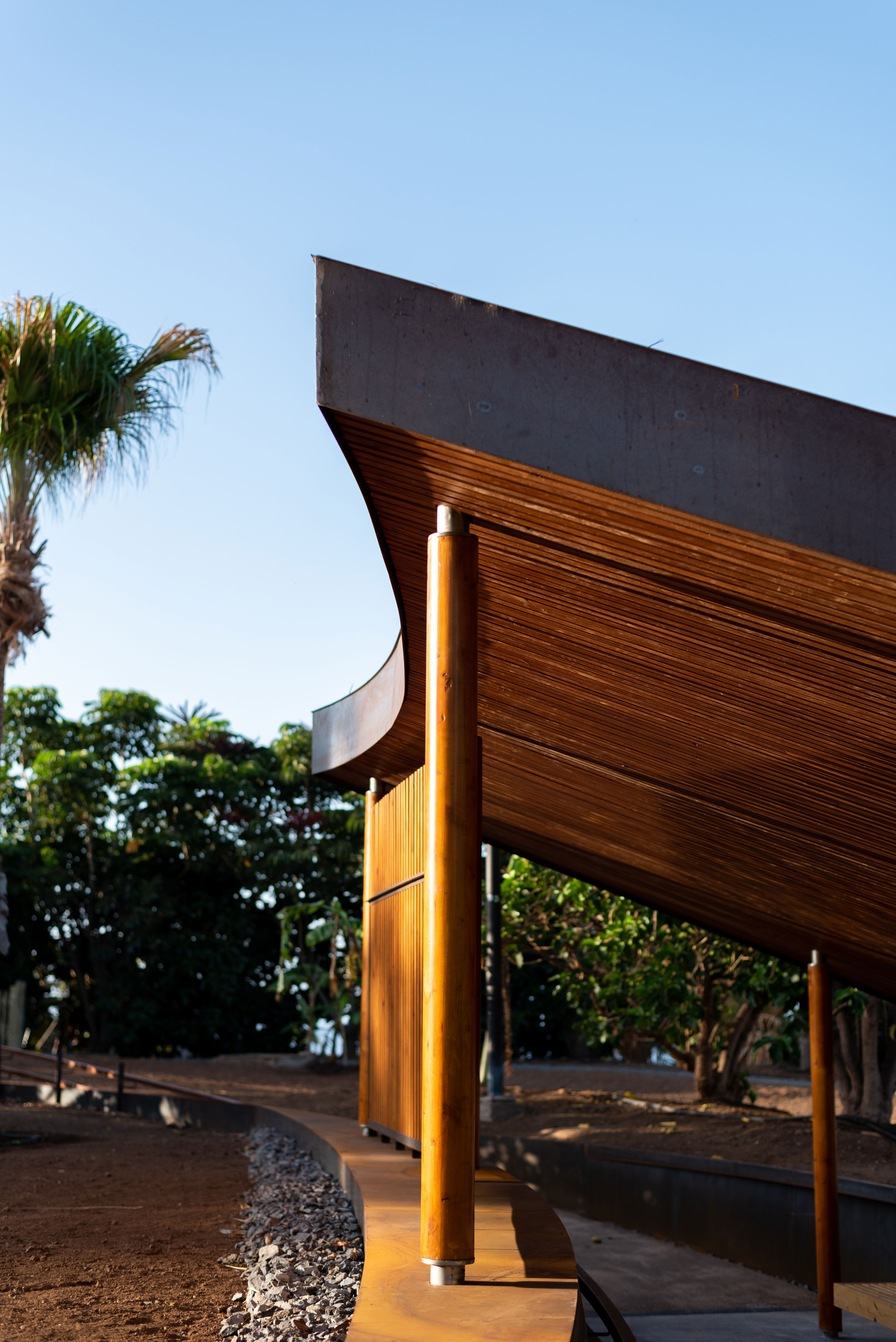
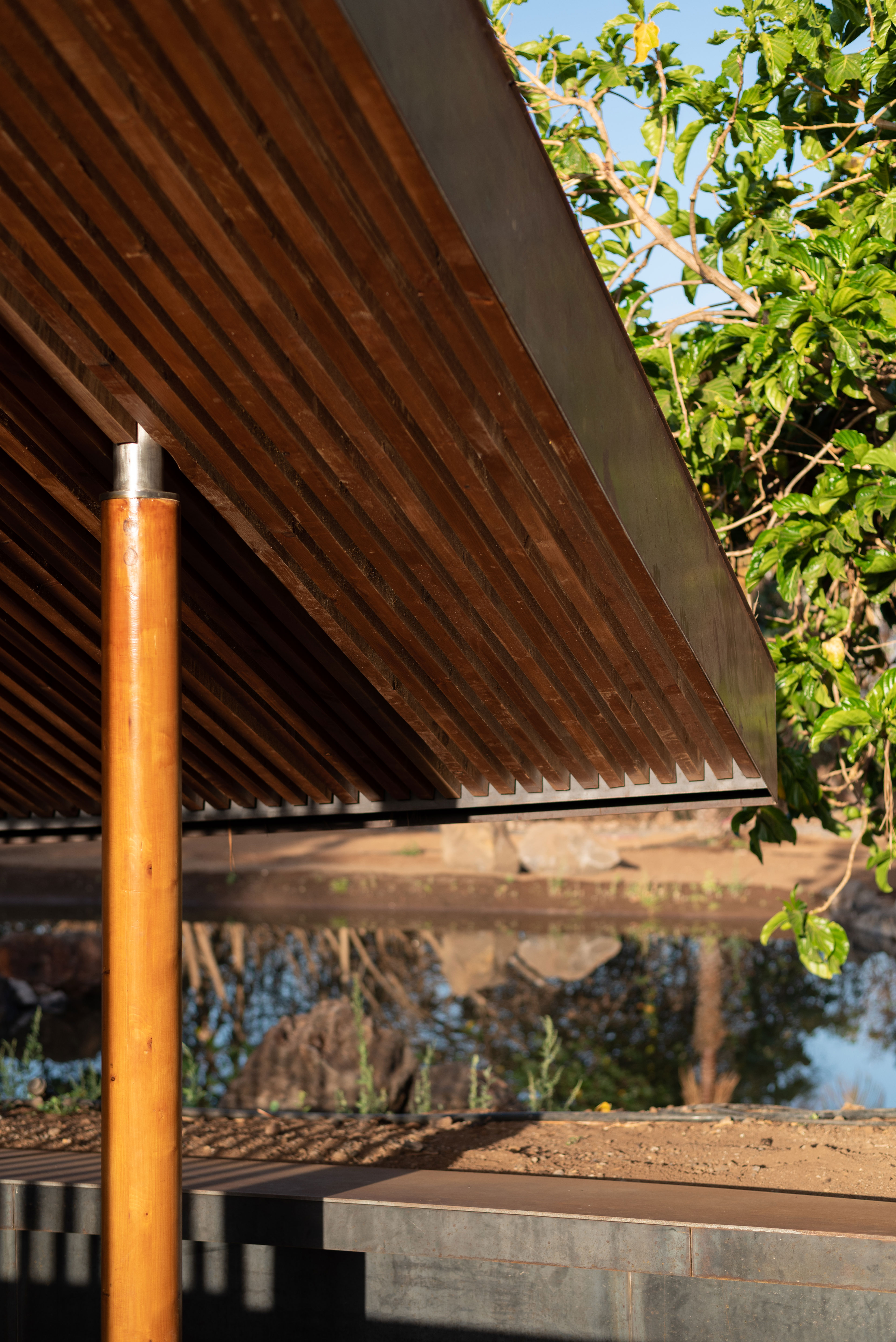
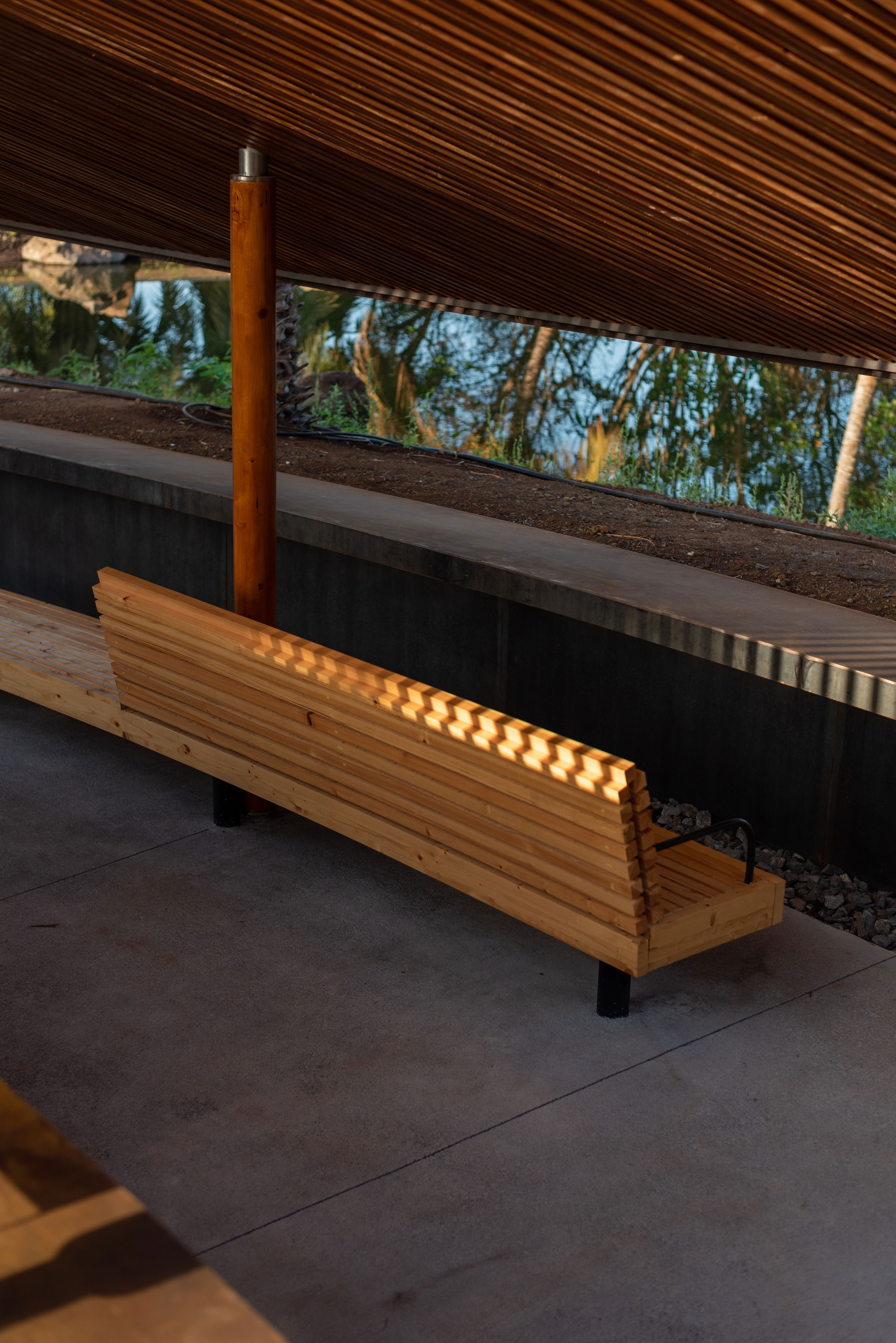
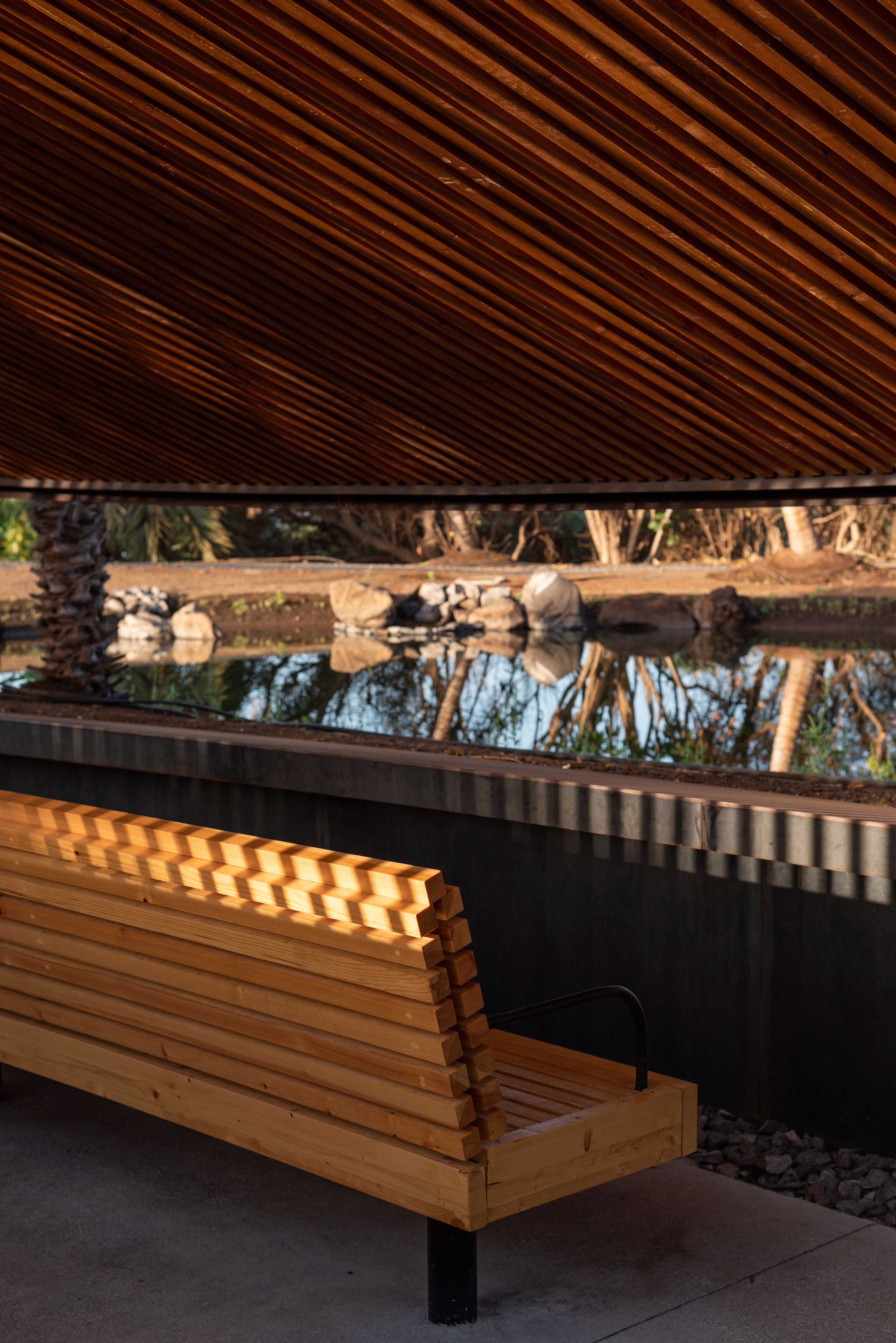
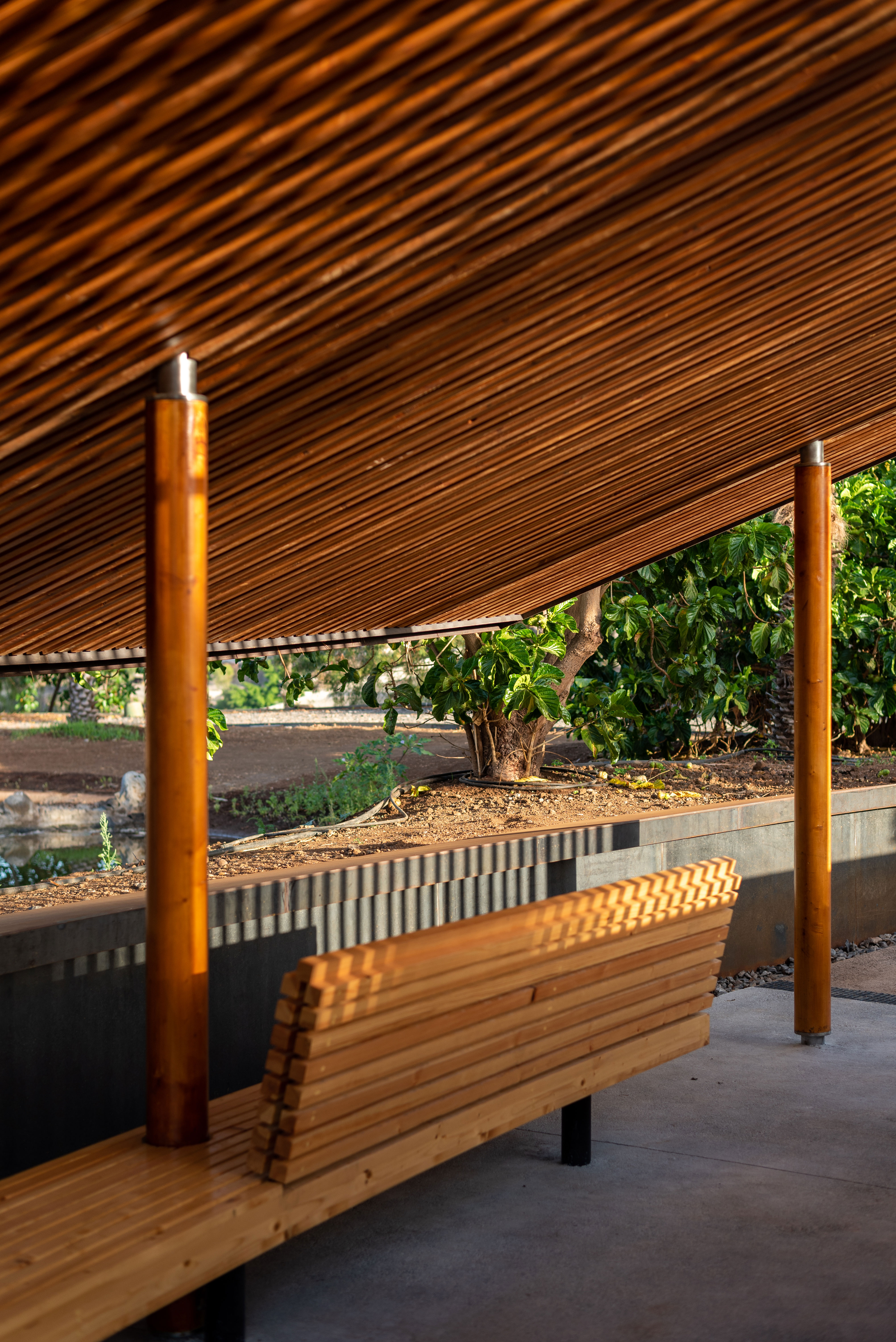
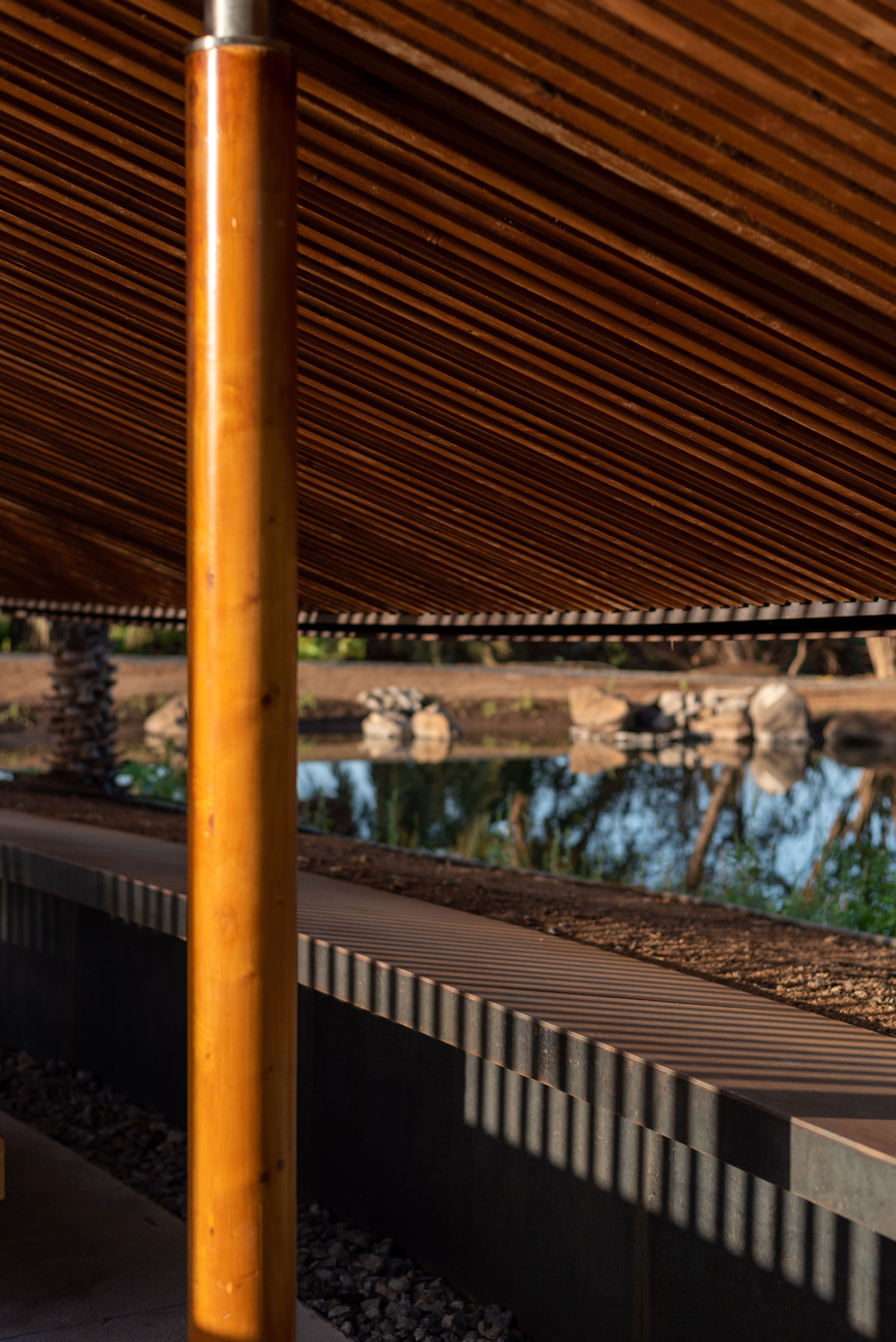
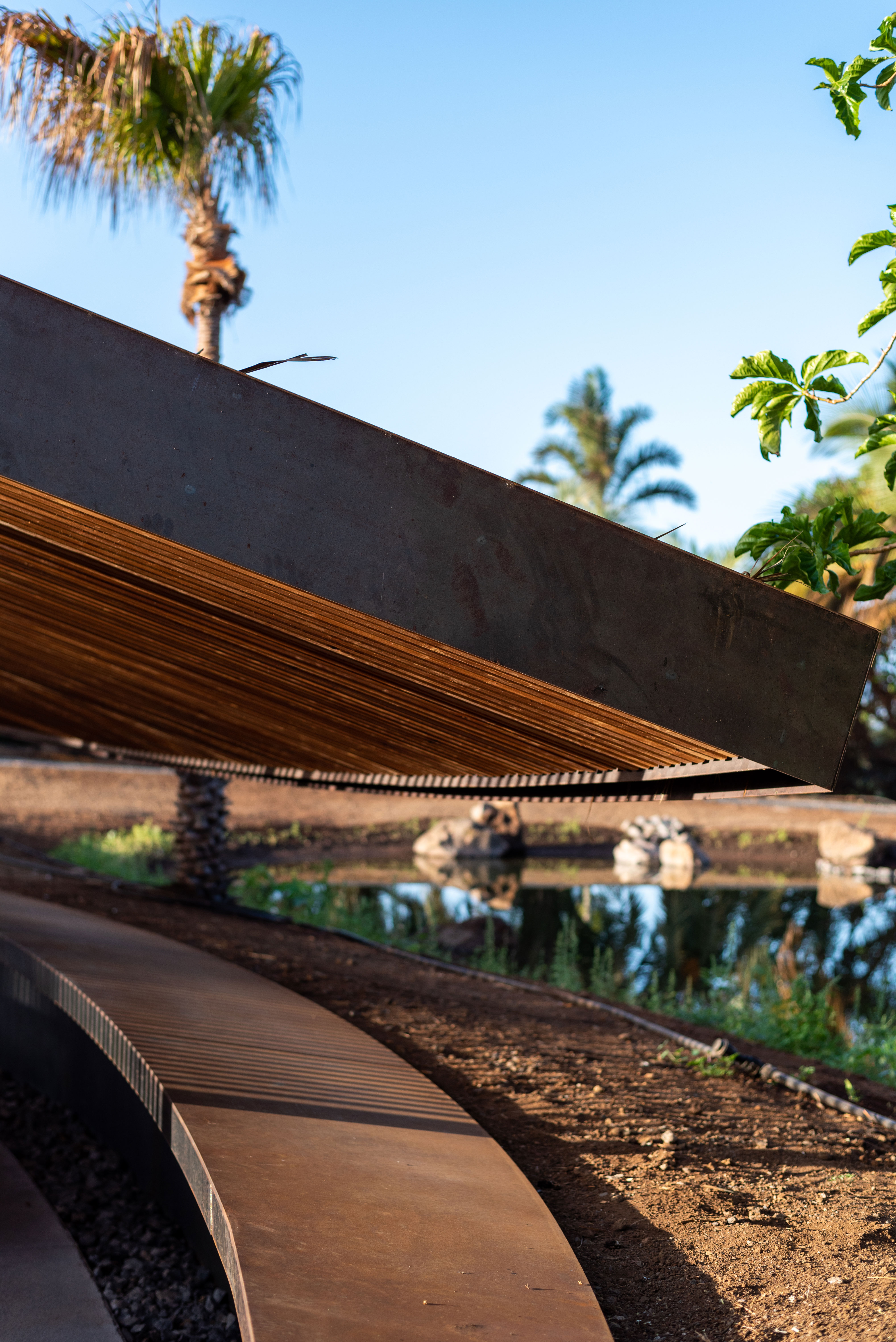
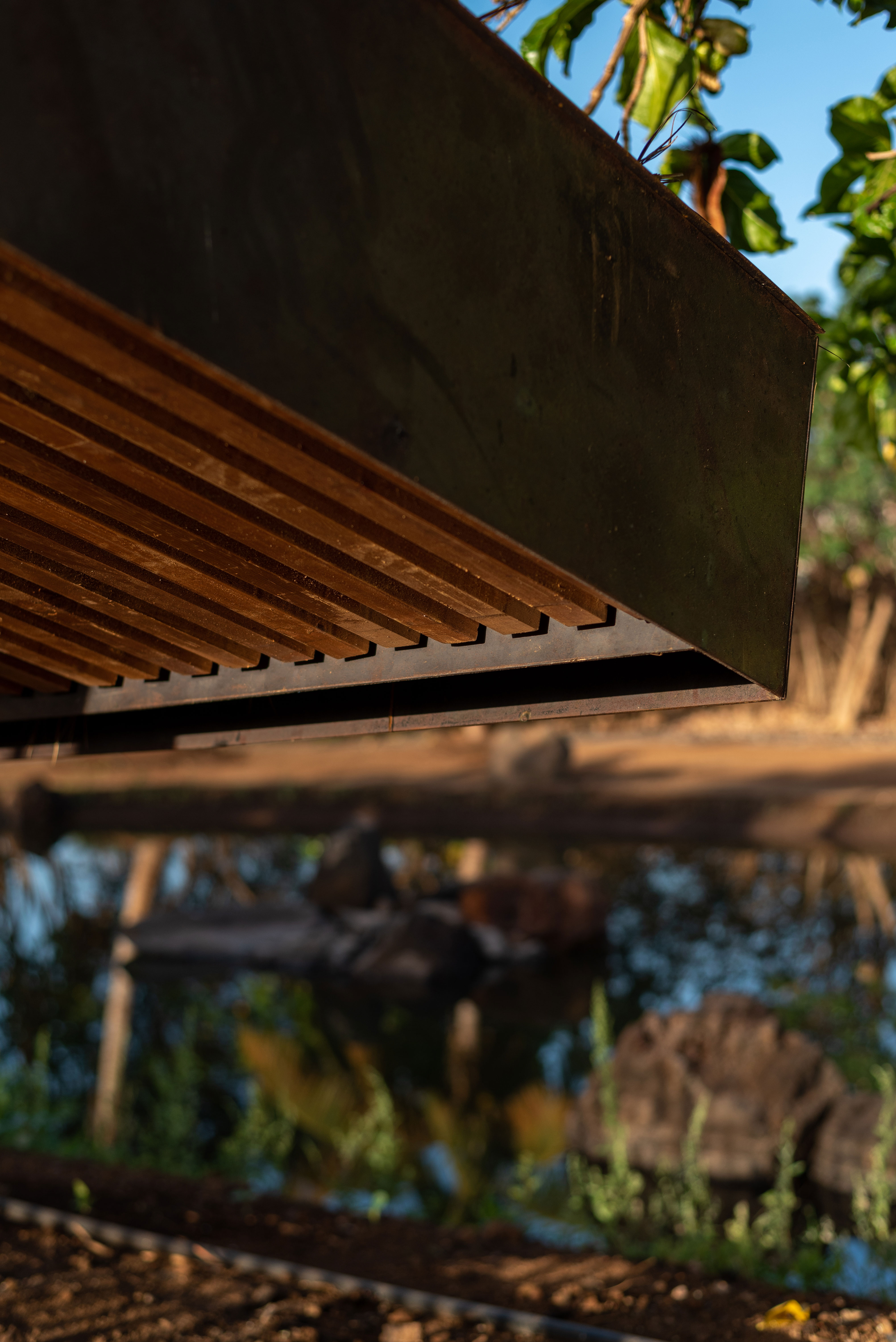
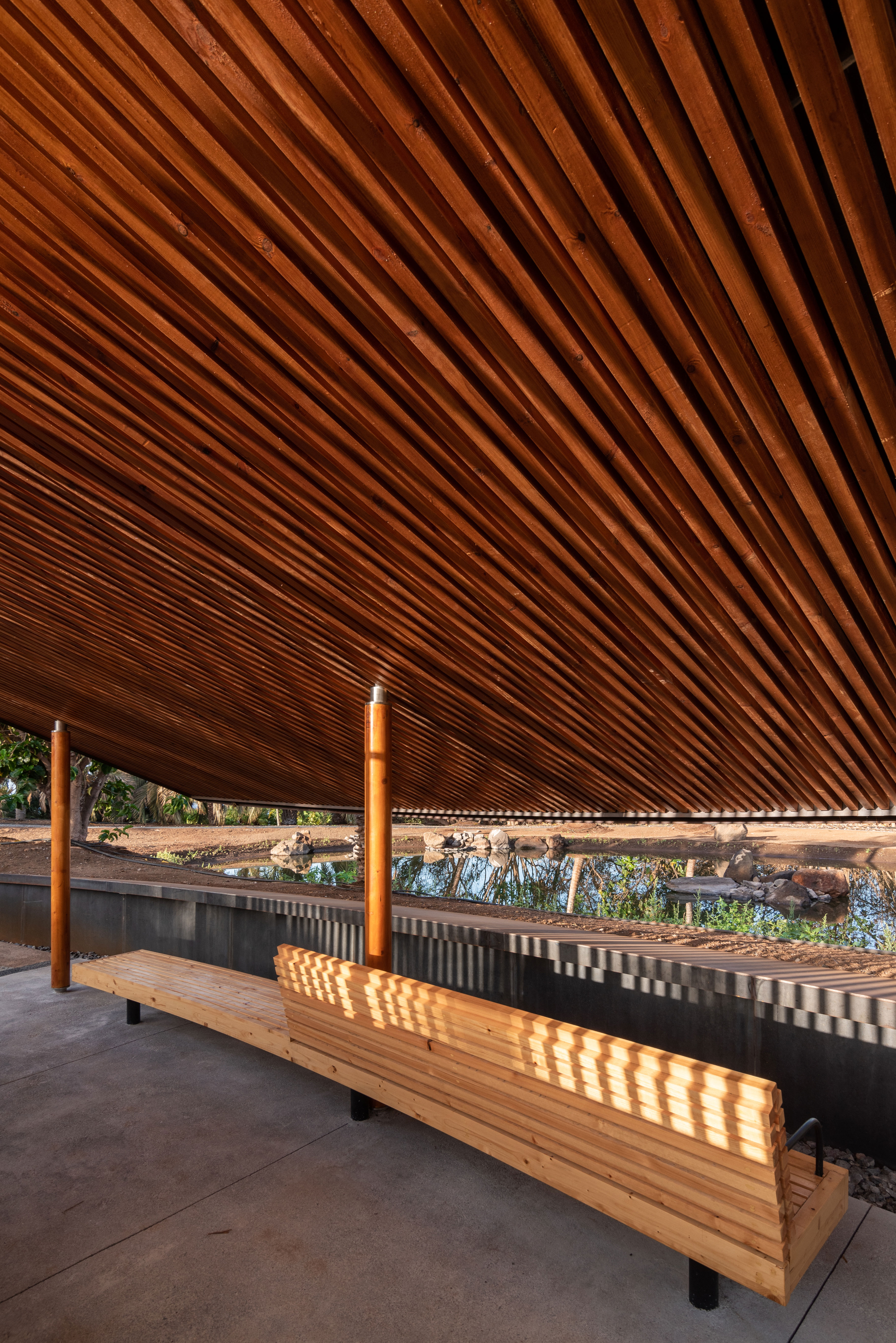
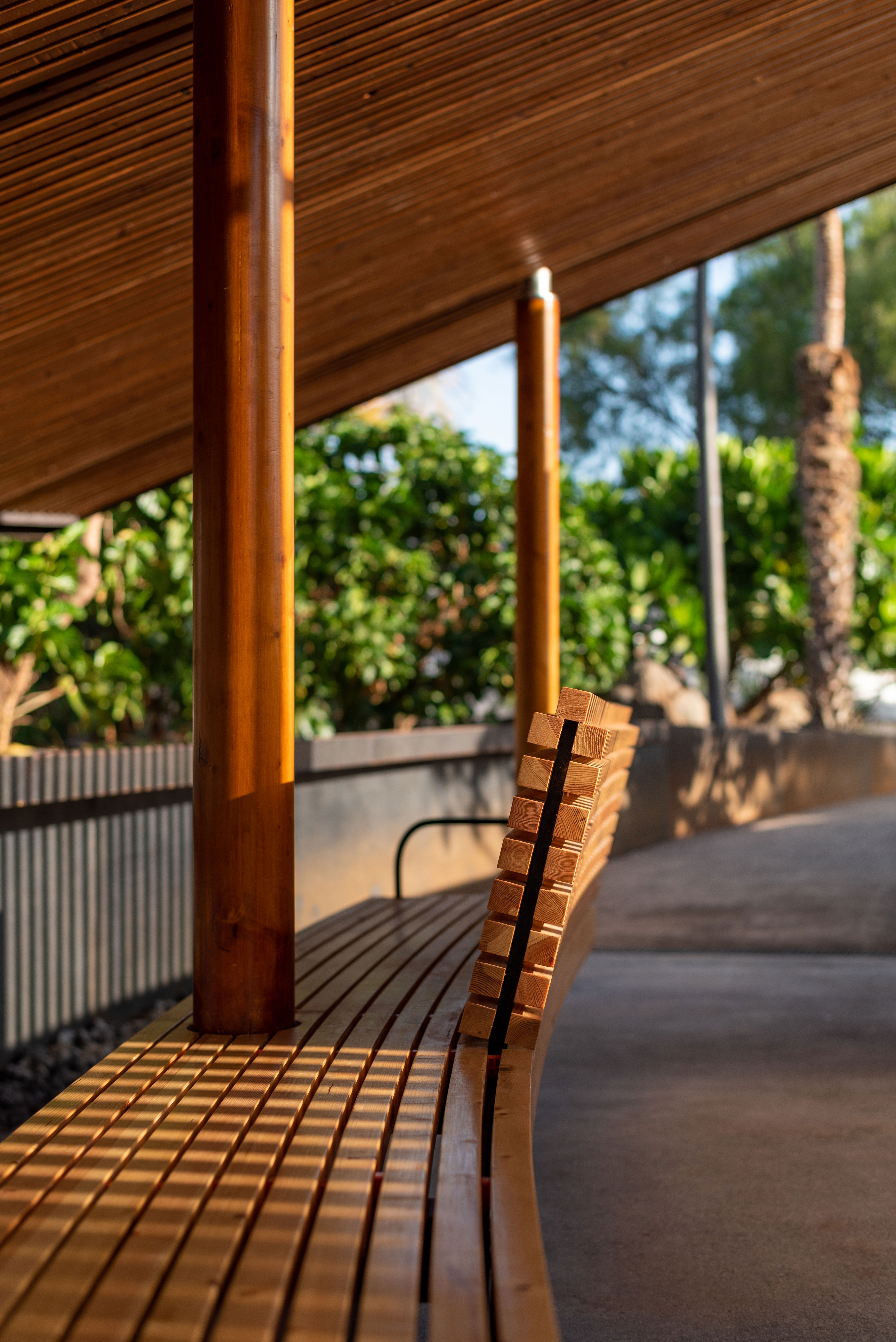
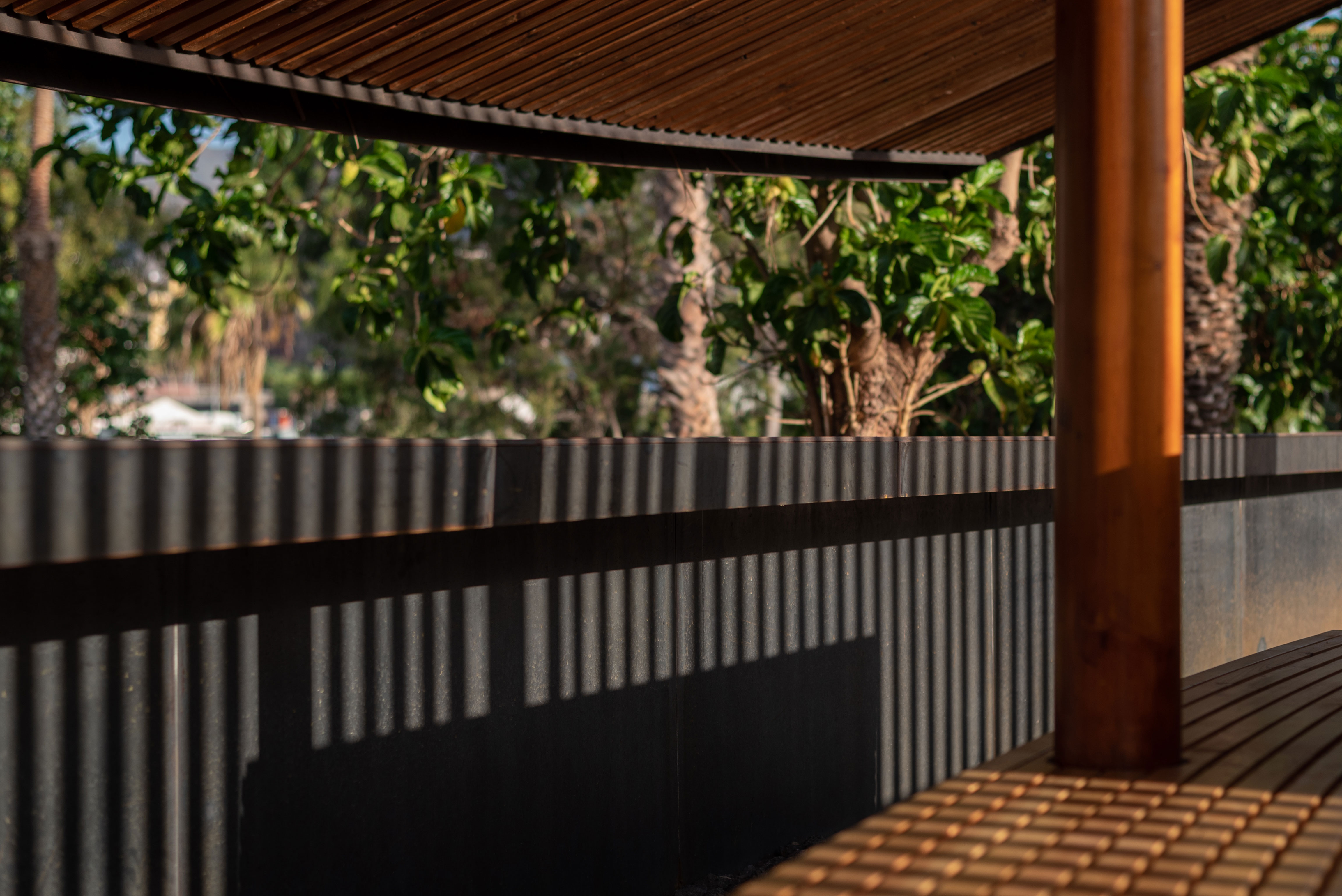
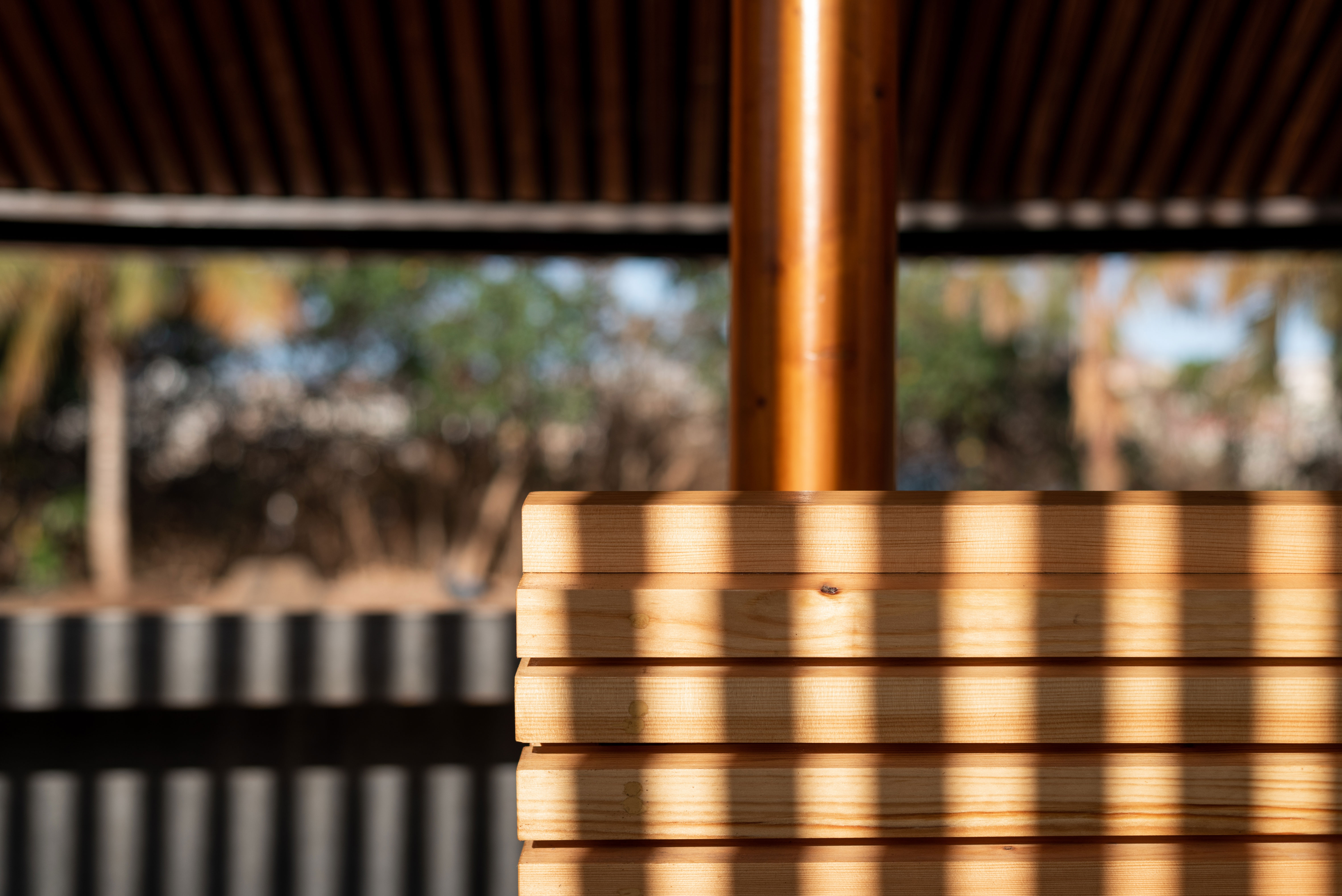
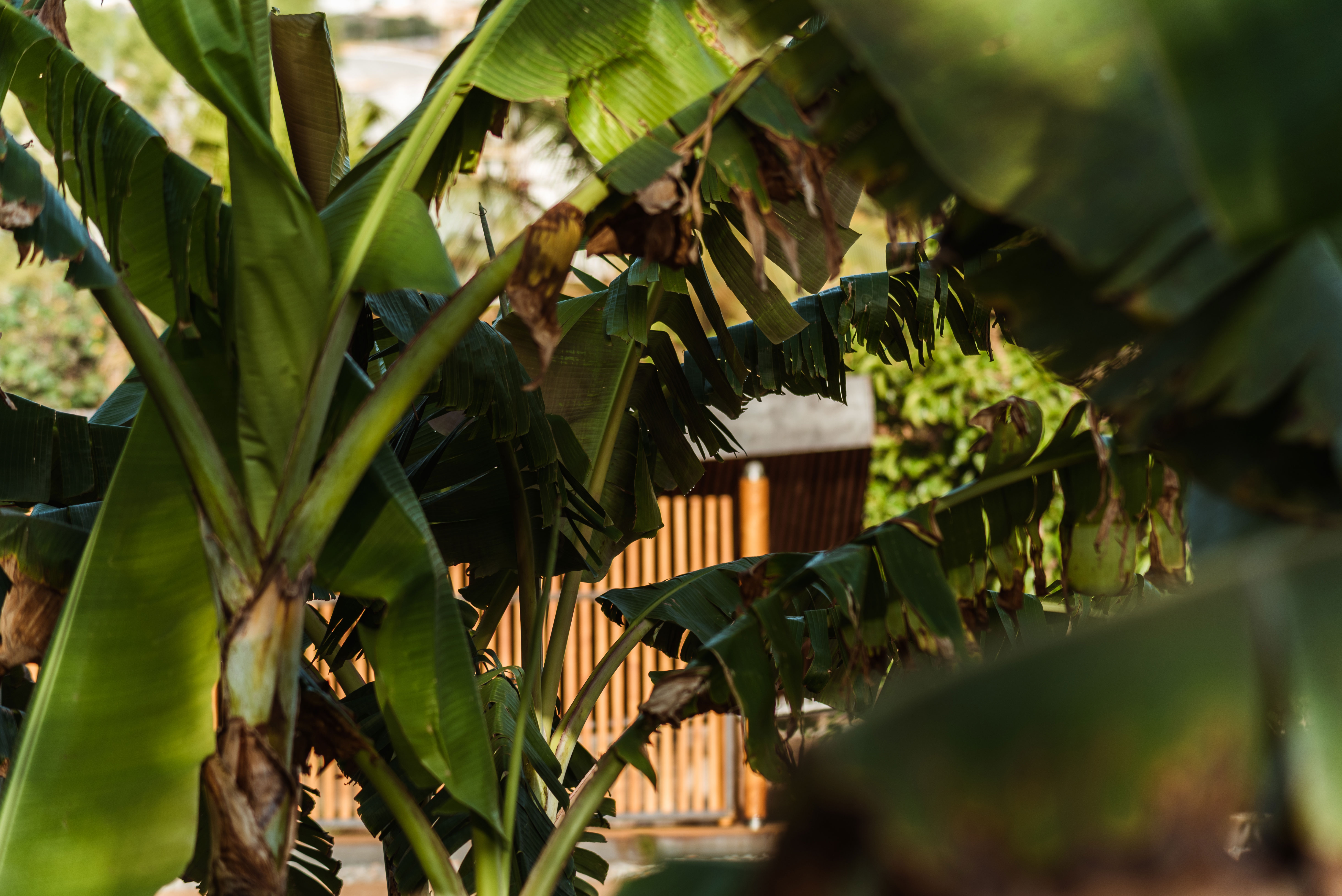
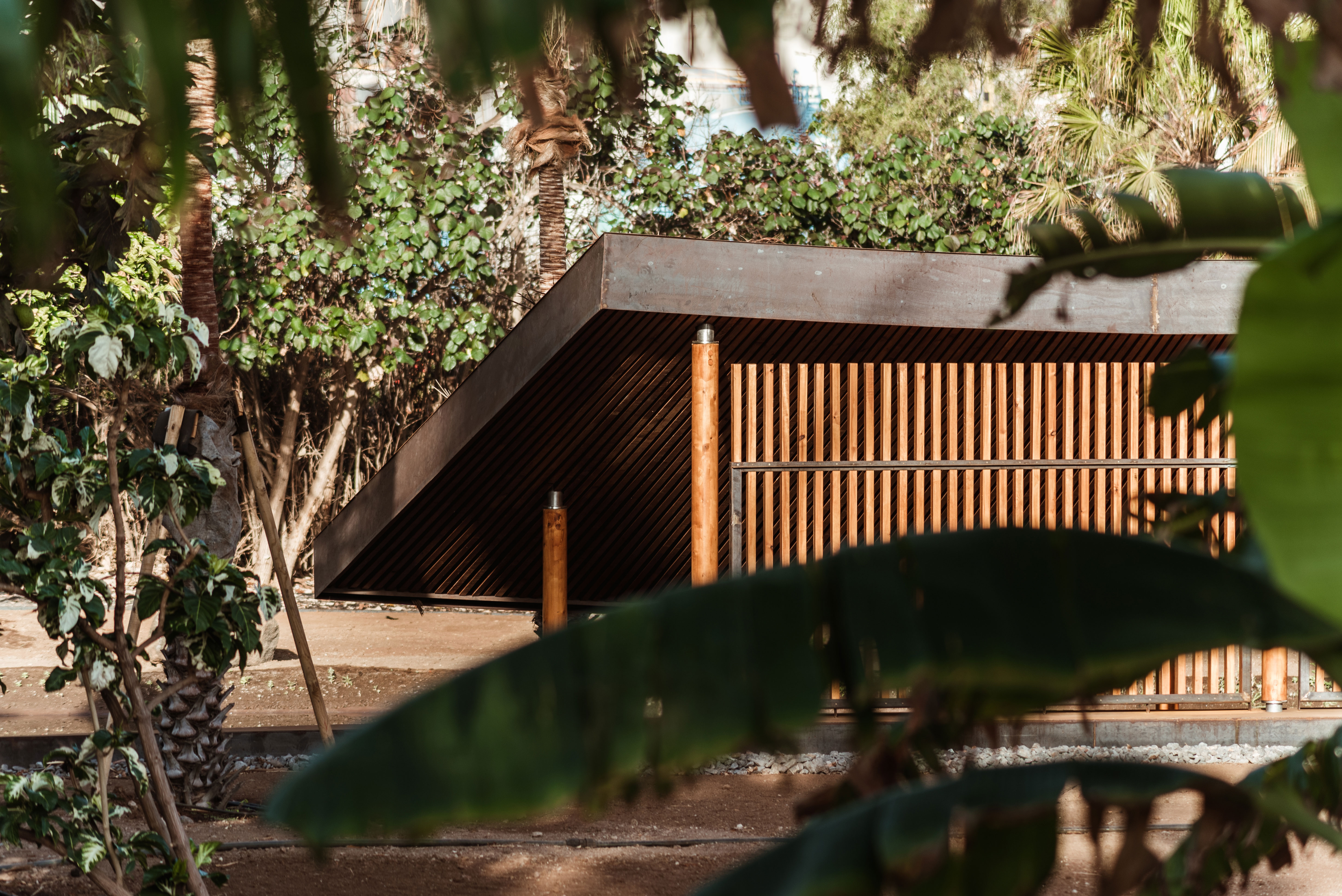
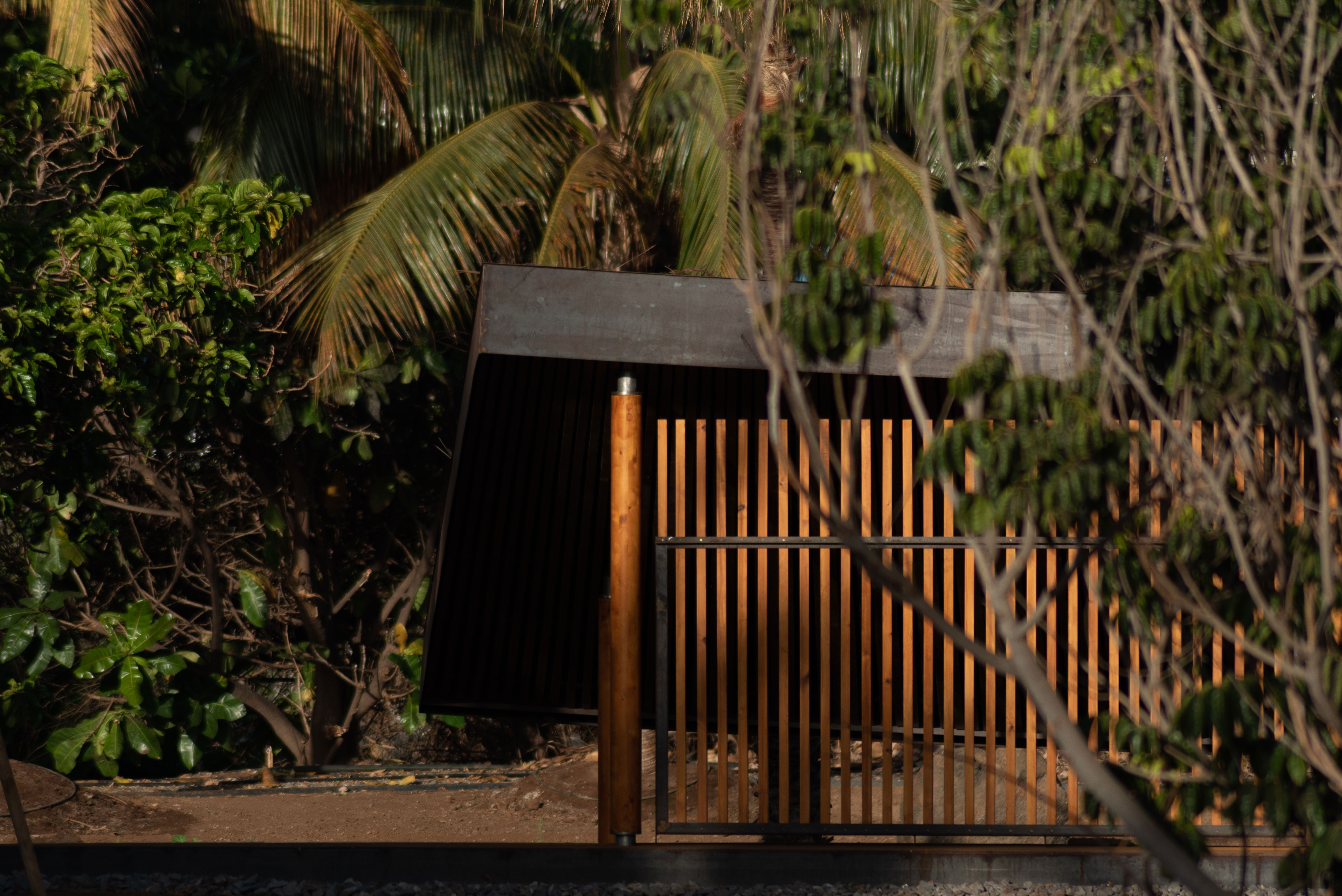
Regarding the structure of the pergola sheltering the Hide, a lightweight and flexible element was proposed, subtly inspired by oriental architecture, built with natural materials that blend harmoniously with the garden environment. The enclosure of paths and land is made with Corten steel sheets; recycled palm leaves rest on the roof, and pine wood slats complete a simple palette of materials.
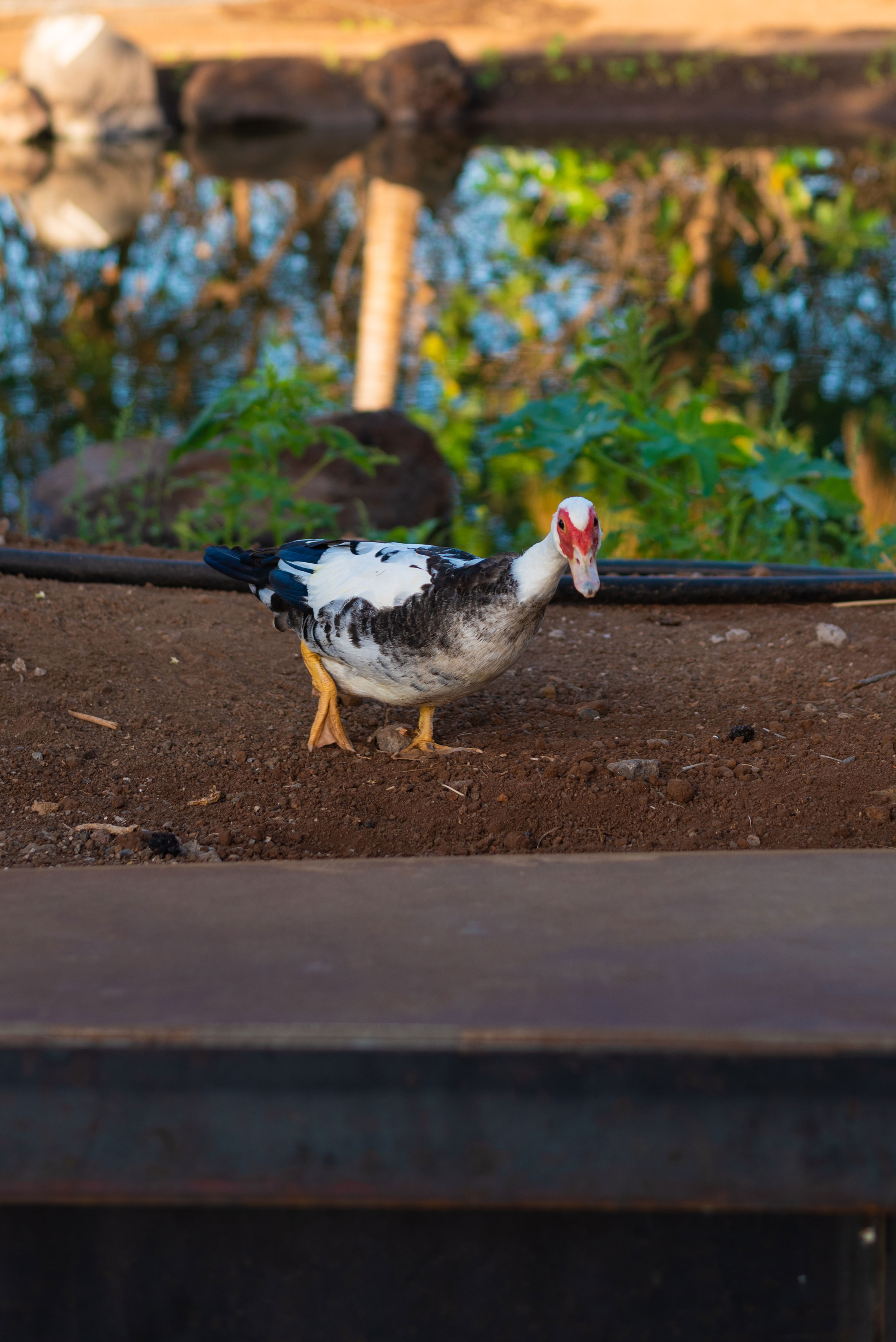
The first birds have arrived. And over time, the vegetation will complete the project with the natural rhythm of the seasons.